Fit & Proportion
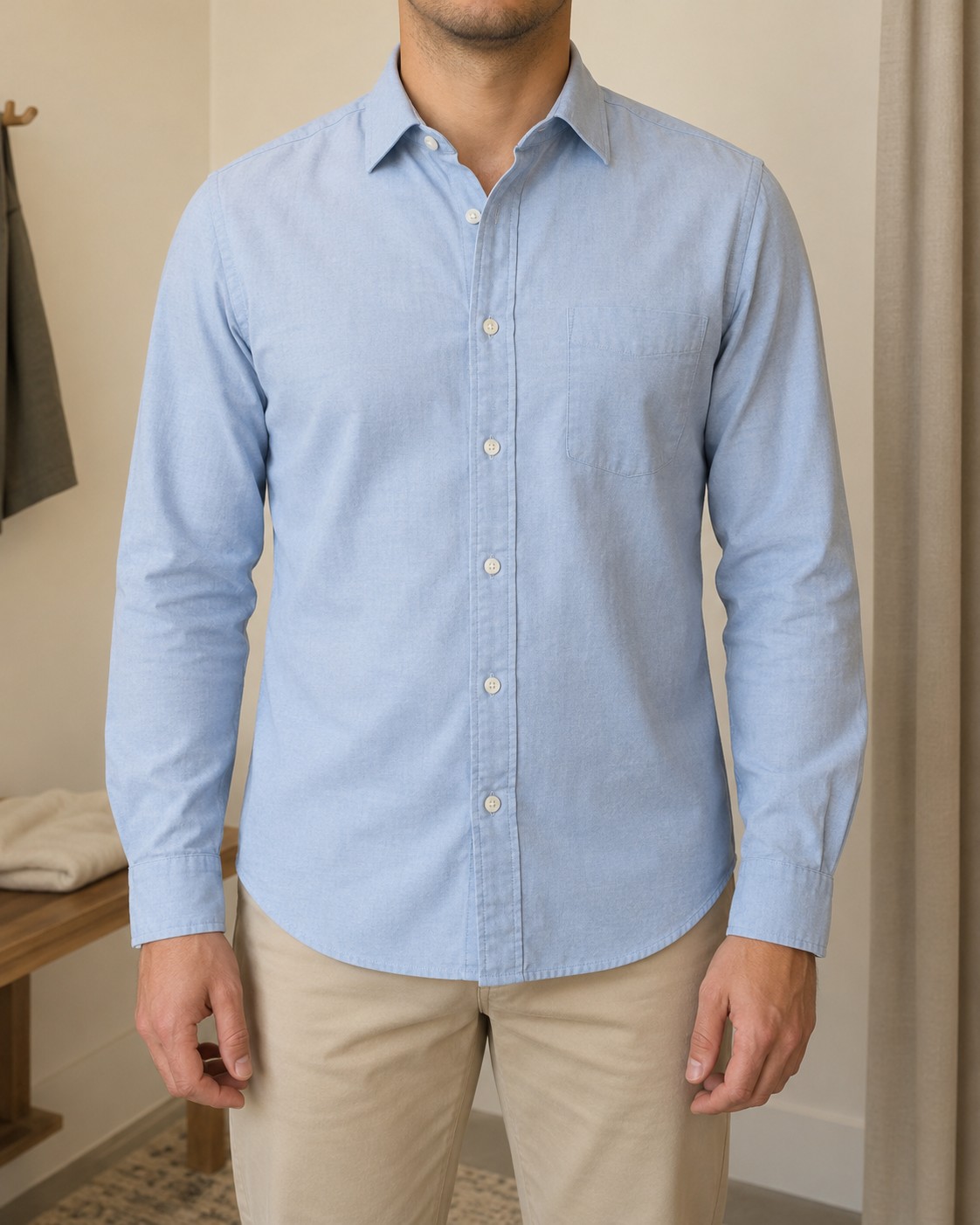
How a casual shirt should fit
A fitting-room check should include sitting, reaching and the way you plan to wear the hem—not just a straight-on look in the mirror.
A journal of everyday menswear
Checking comfort, movement and proportion before deciding whether a garment belongs in your wardrobe.
A fitting-room check should include sitting, reaching and the way you plan to wear the hem—not just a straight-on look in the mirror.
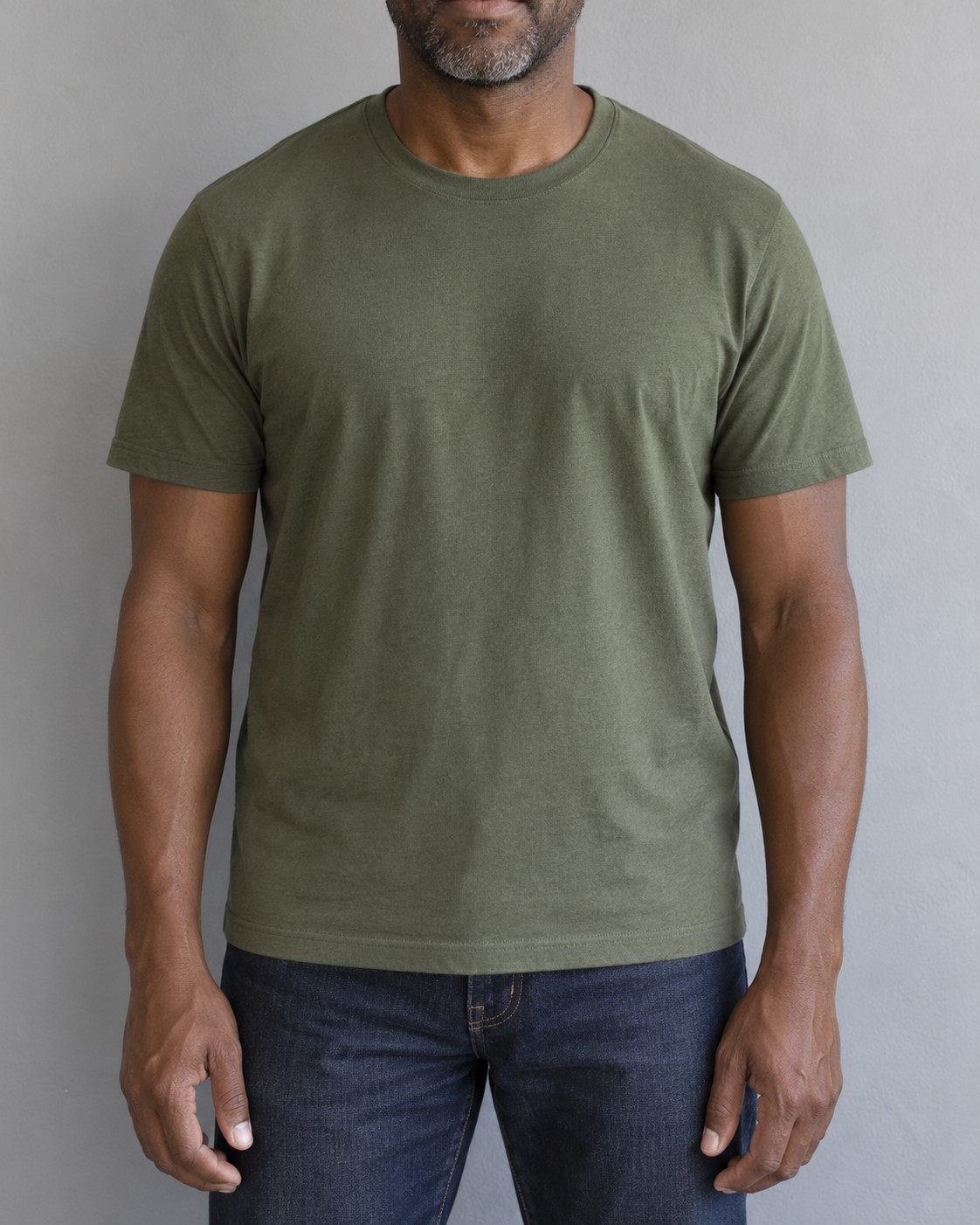
A useful fit check separates the intended silhouette from fabric that simply pulls or gets in the way.
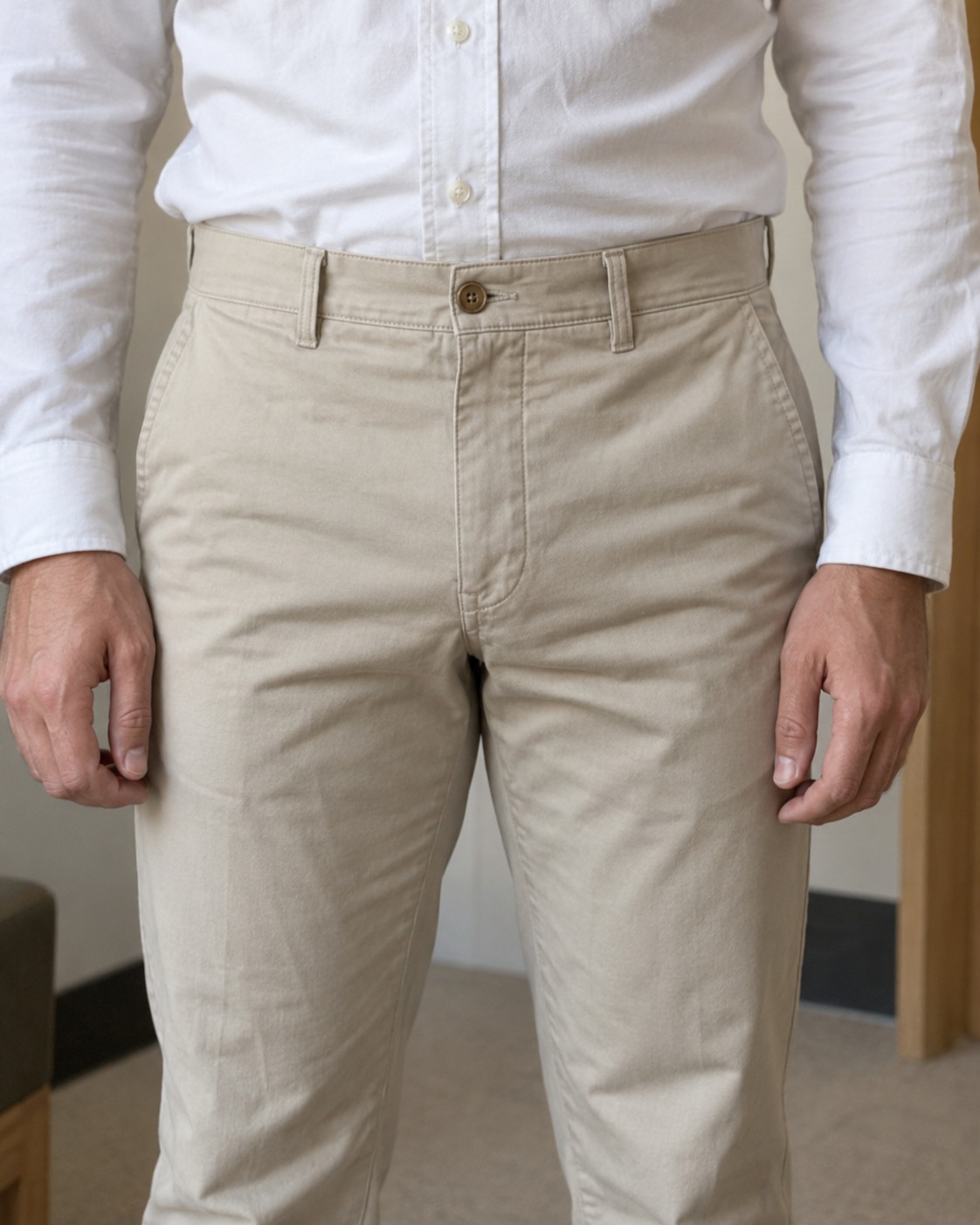
Where trousers are designed to sit affects the waistband, seat, top length and the way the outfit divides.
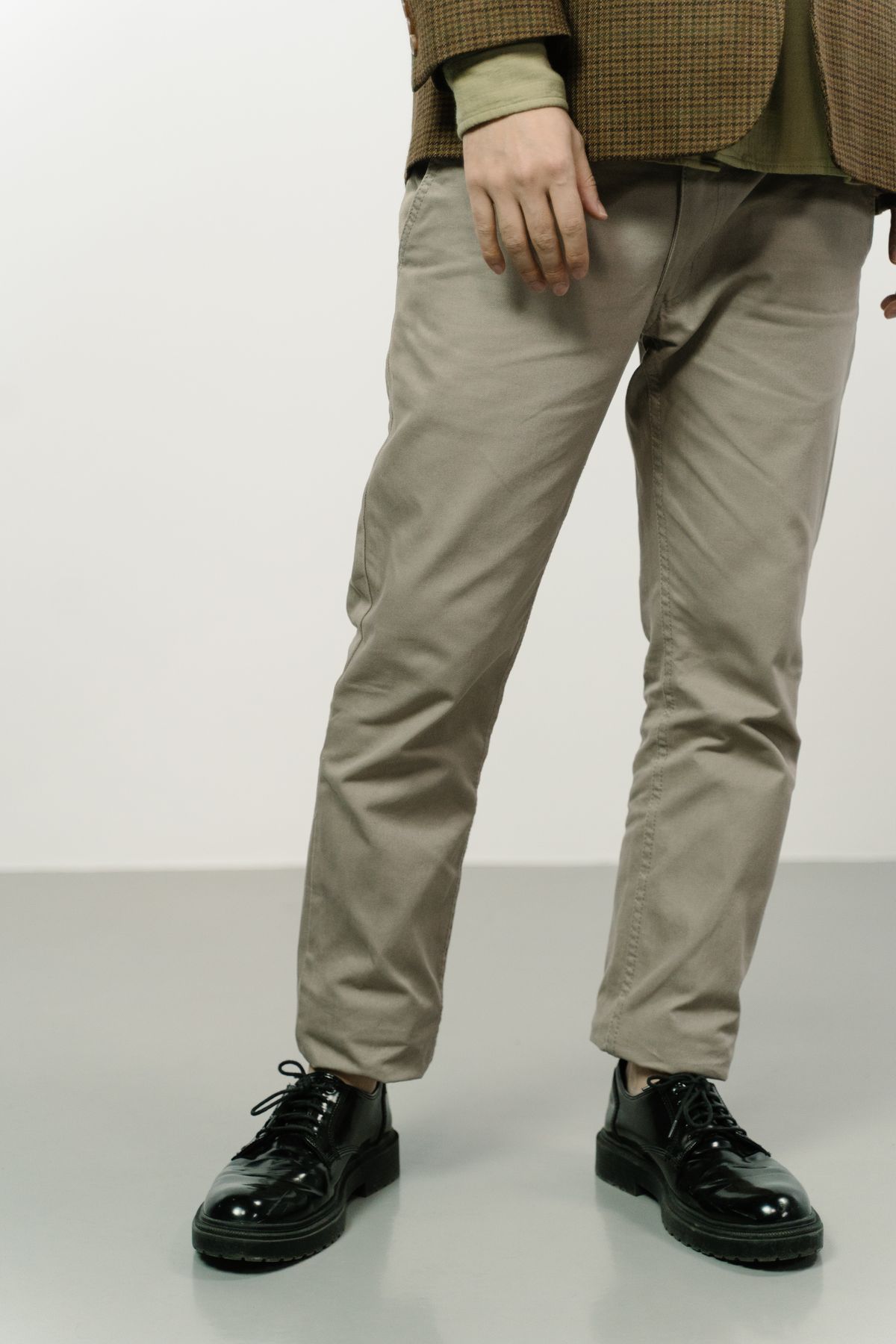
The fold above the shoe depends on hem width and footwear as well as trouser length.
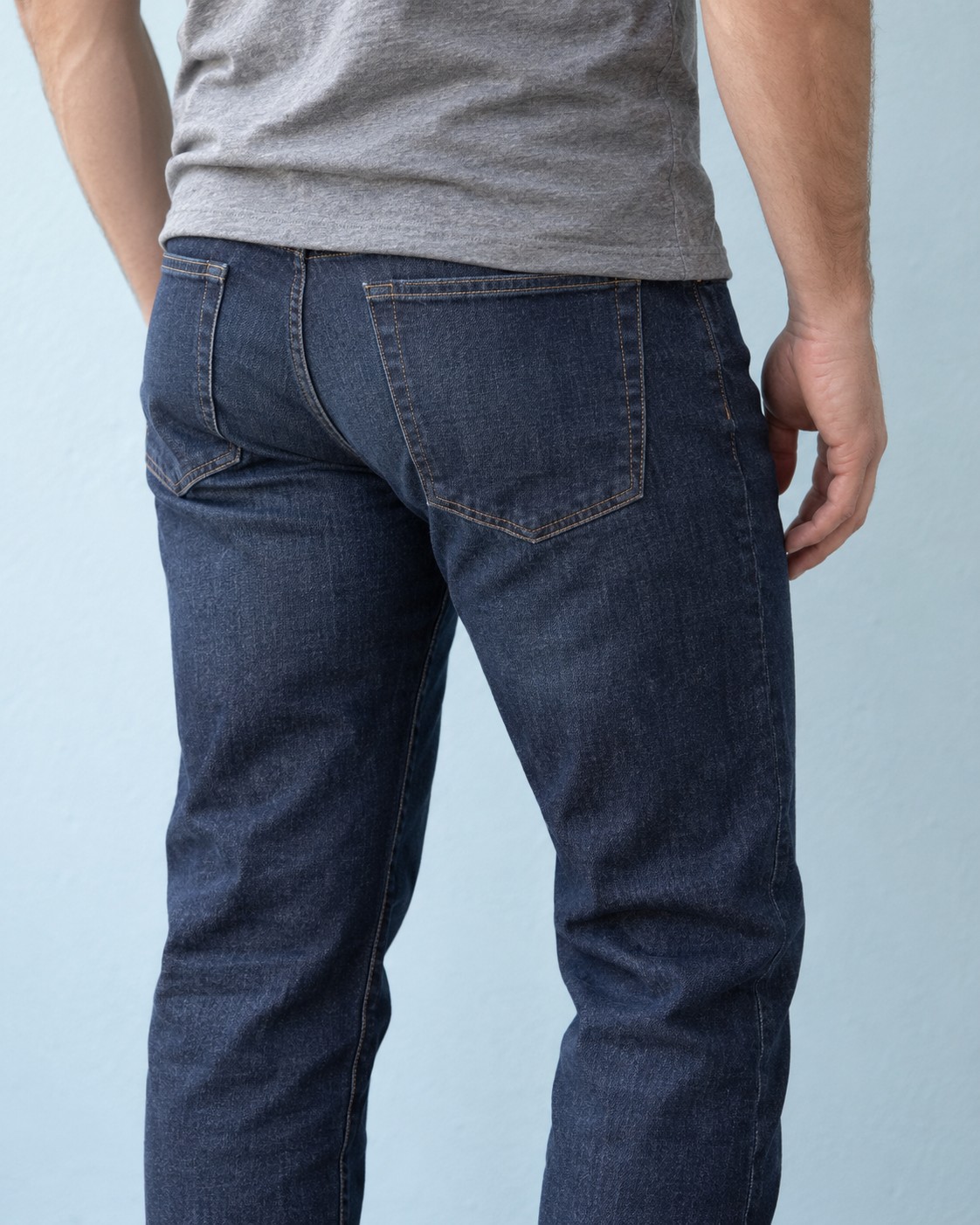
A waistband that closes is only the beginning of a useful jeans fitting.
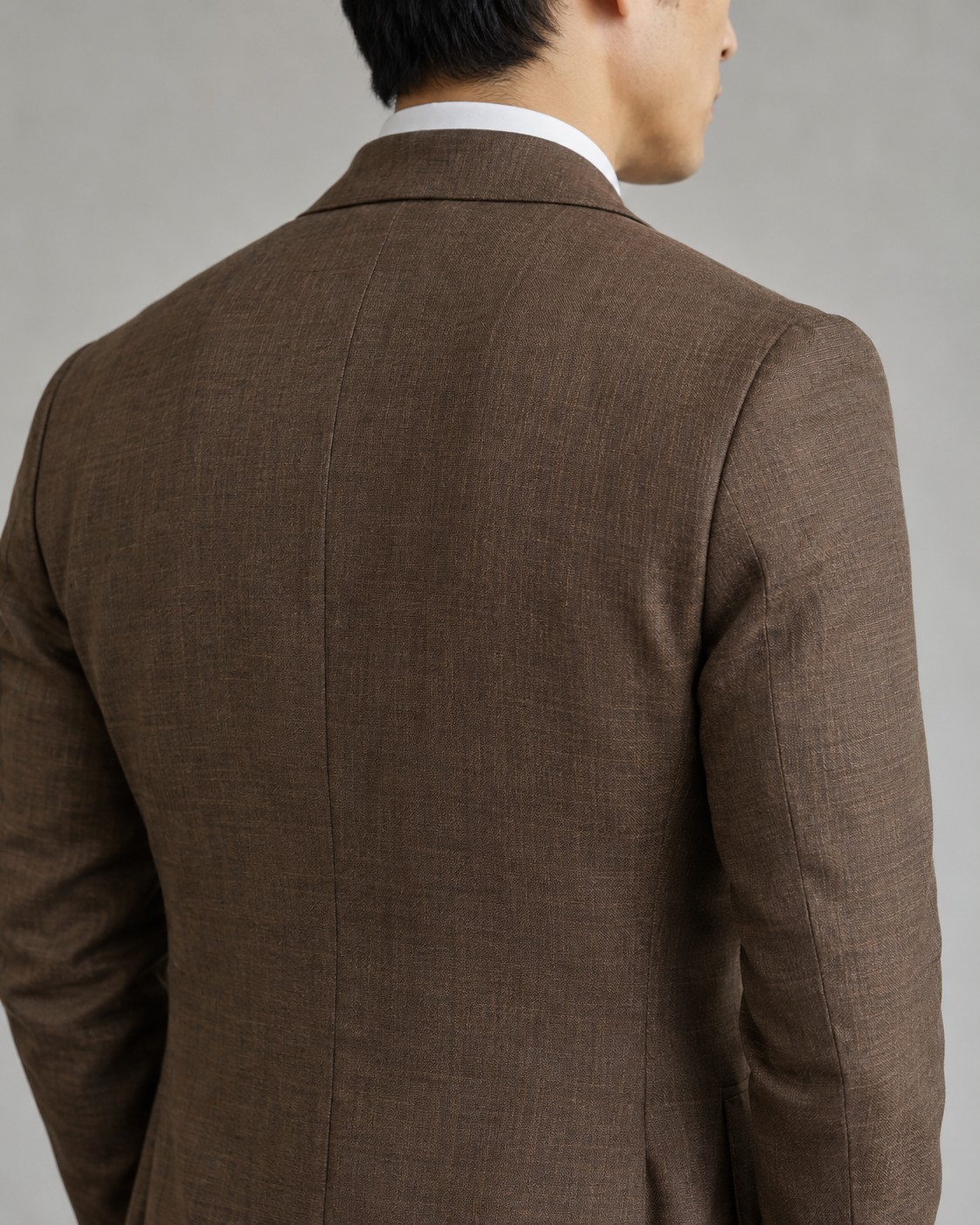
Width, slope and construction work together, so a single seam position cannot explain every fit problem.
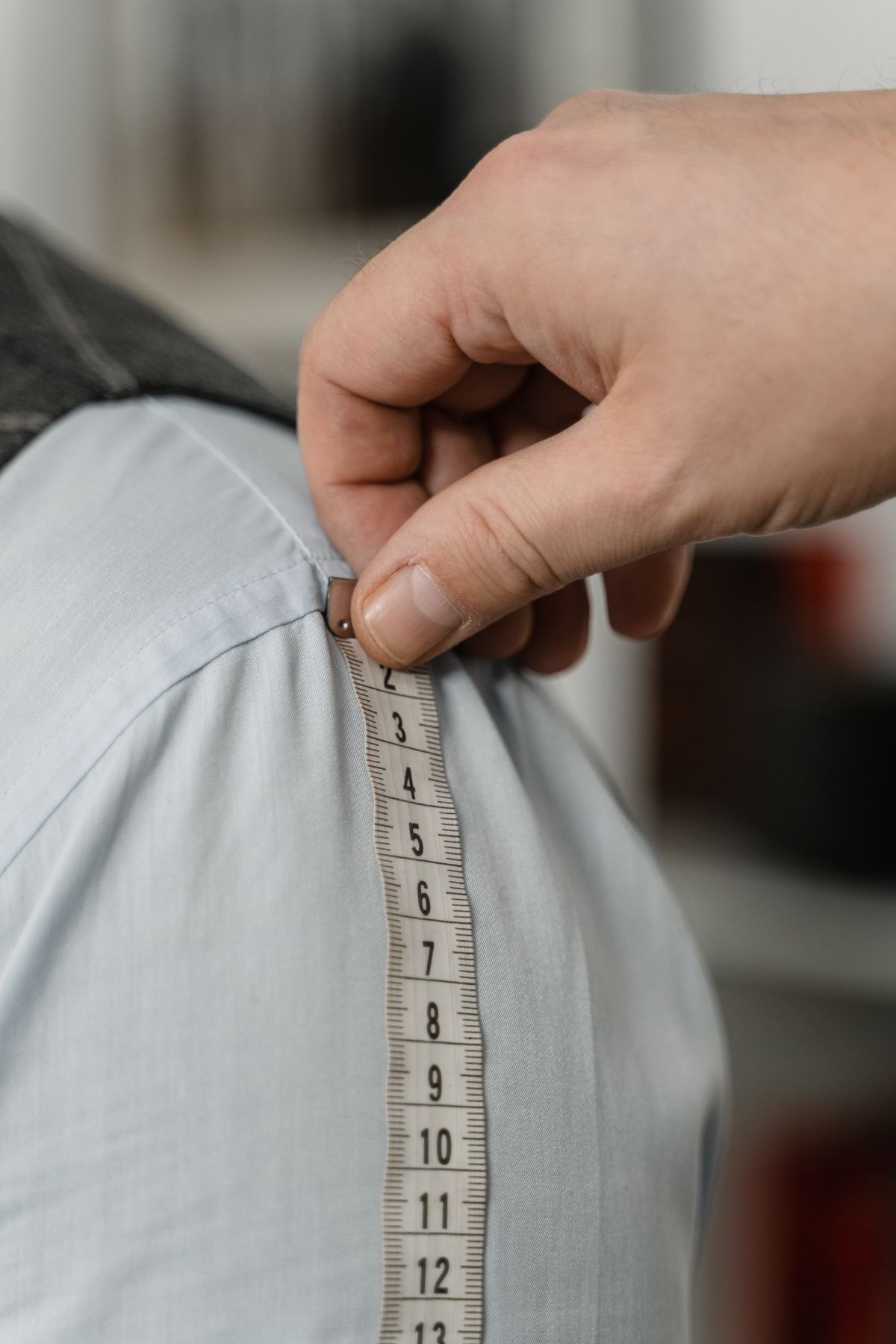
Assess the shirt cuff first, then judge the jacket over it in a natural resting position.
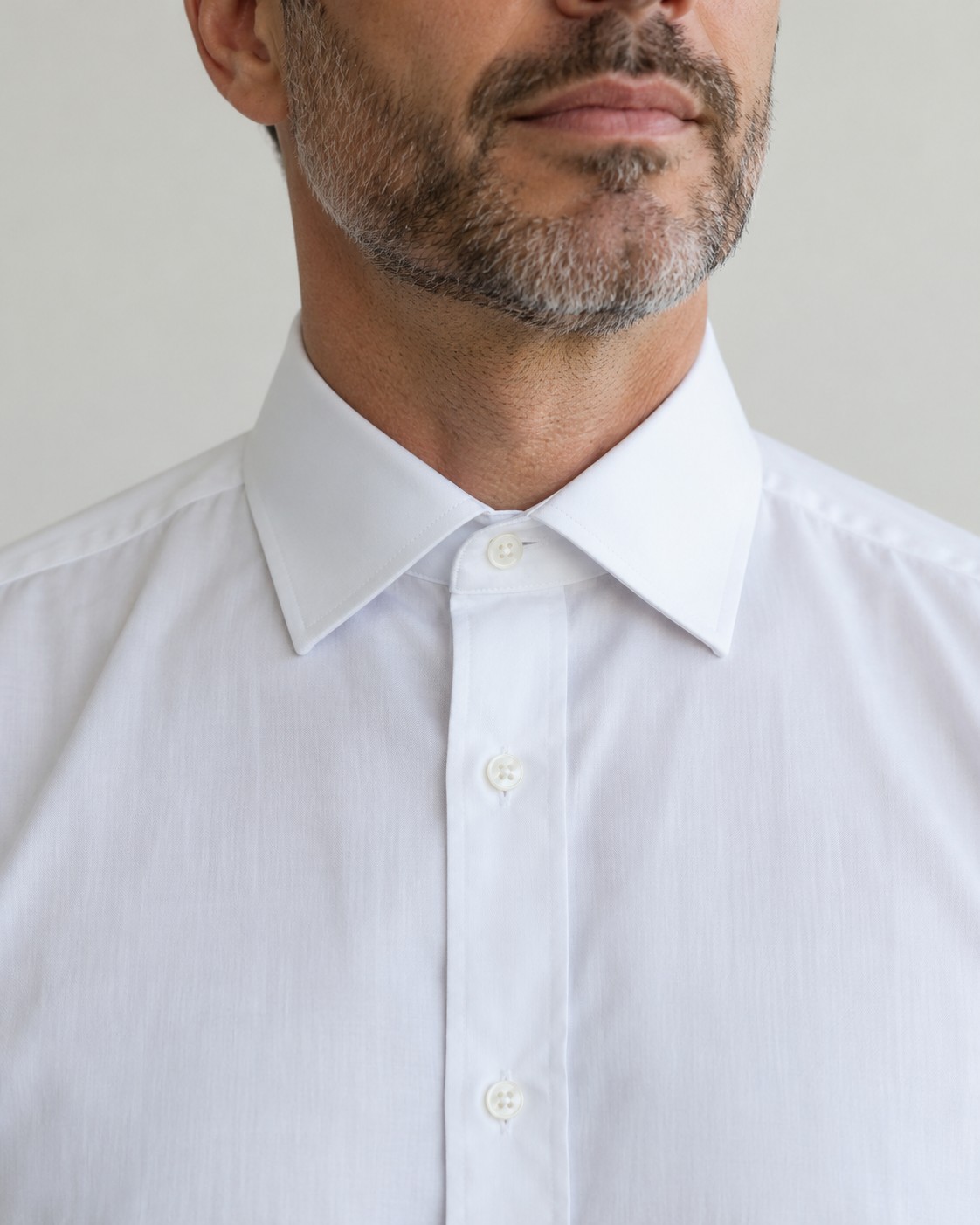
Check the neck opening, collar shape and intended buttoning rather than trusting one finger-count rule.
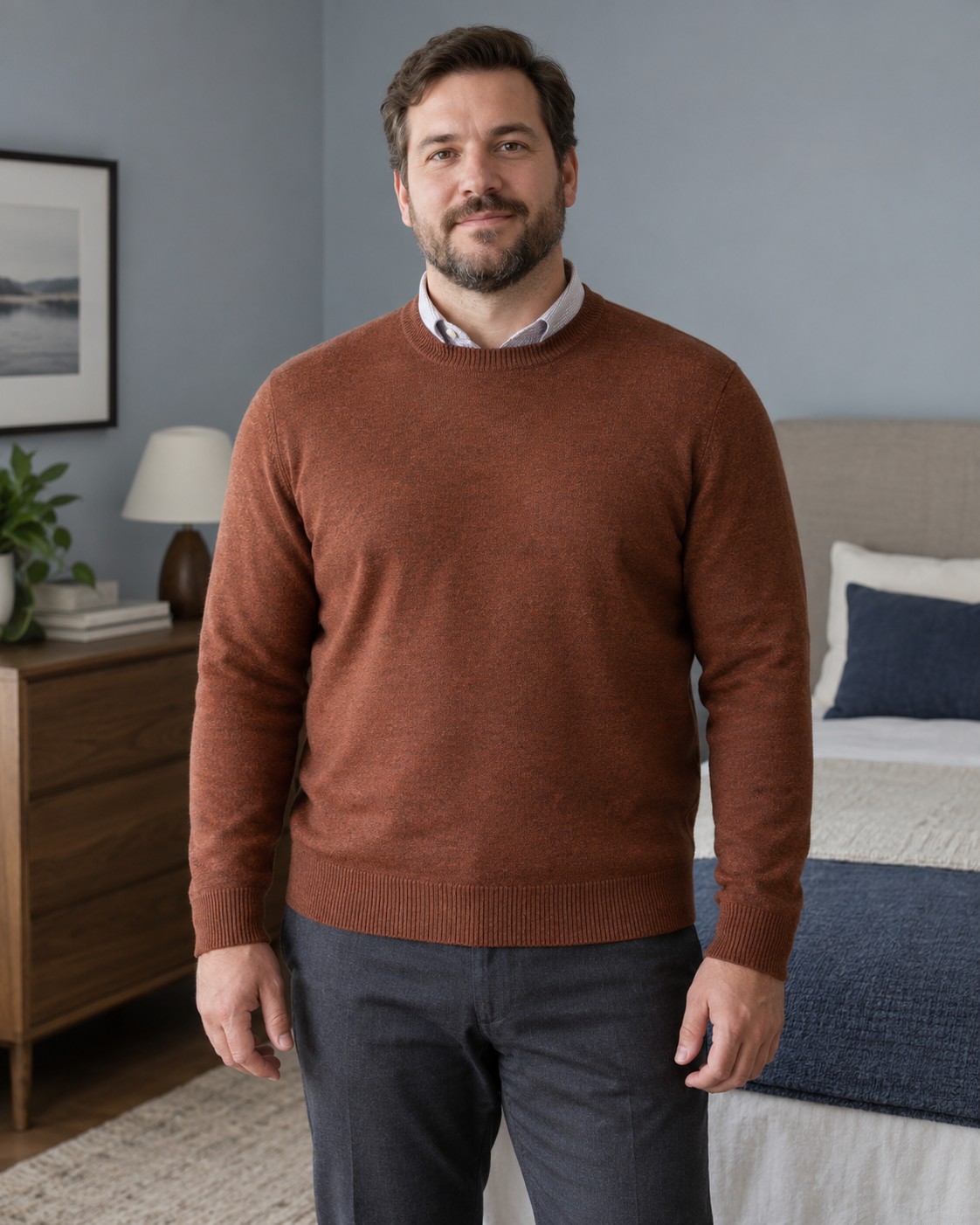
Let the garment relax, then use movement and the ribbed edges to judge whether its shape works for you.
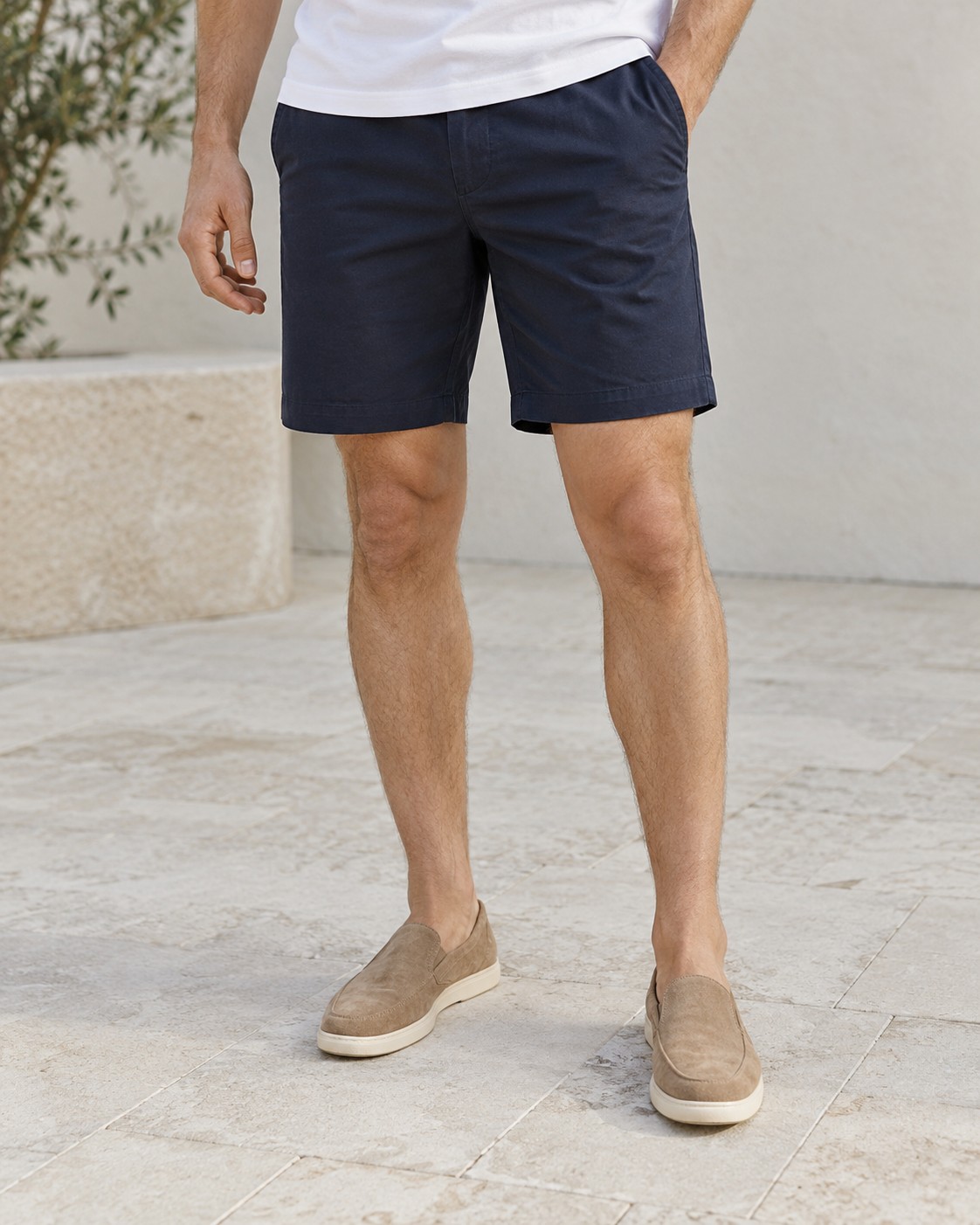
Use the inseam as a comparison tool, then judge the actual hem position while standing and sitting.
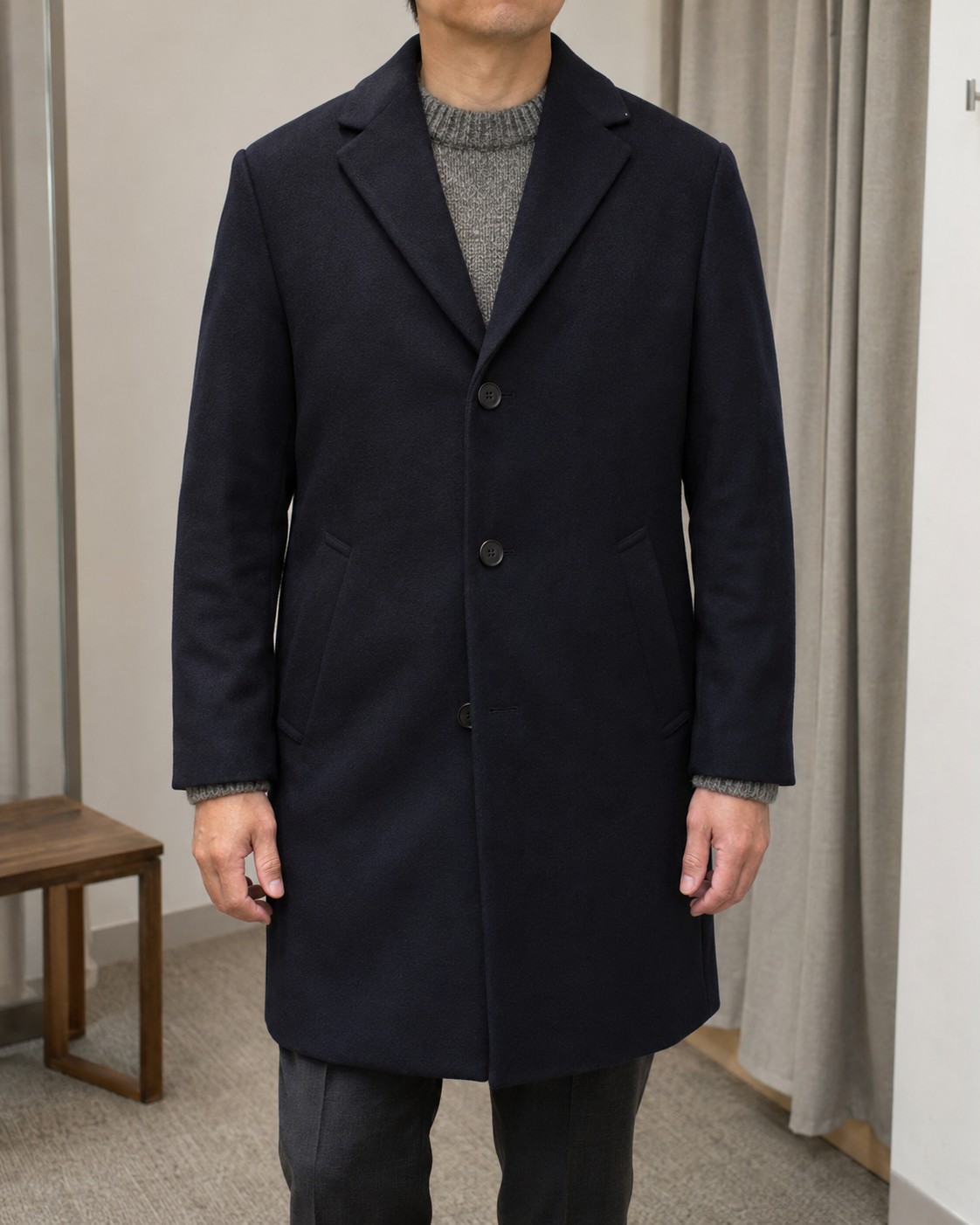
A coat fitting is a test of the whole layering system, not just the outer garment.
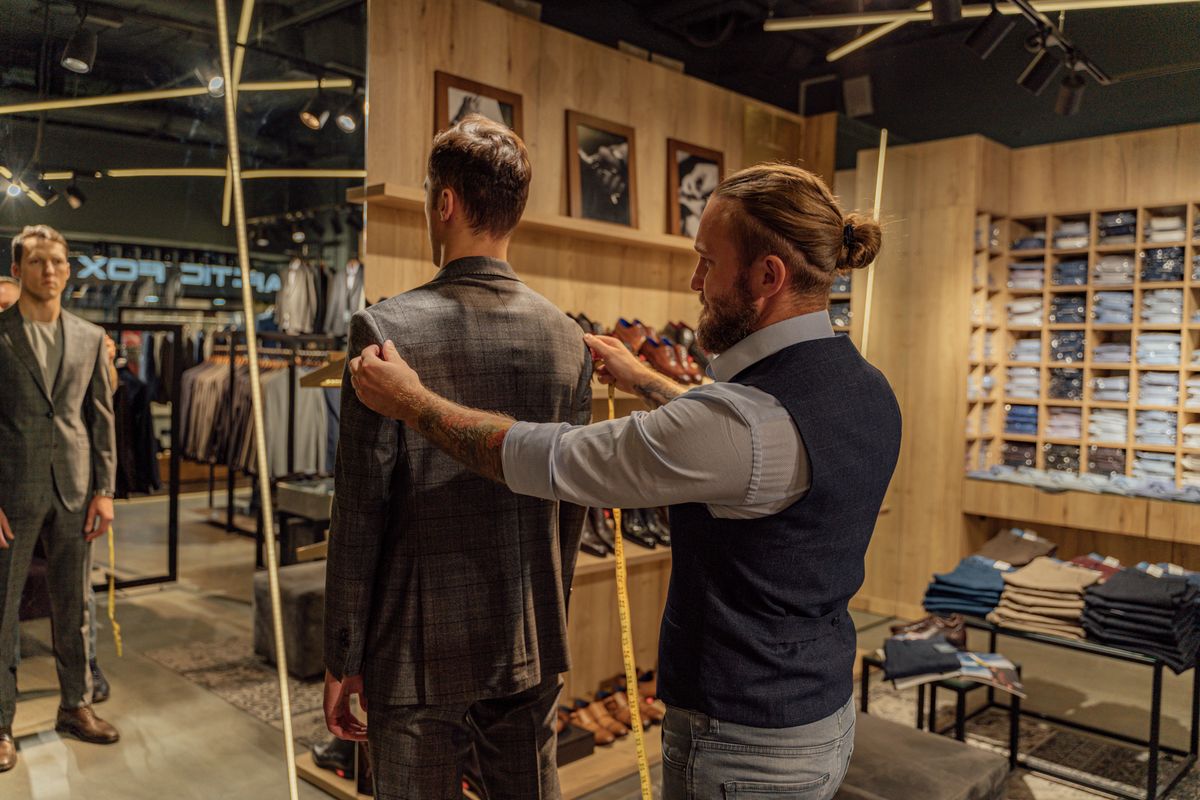
Start with the garment's condition and structural fit, then ask what a tailor can change without upsetting the rest.
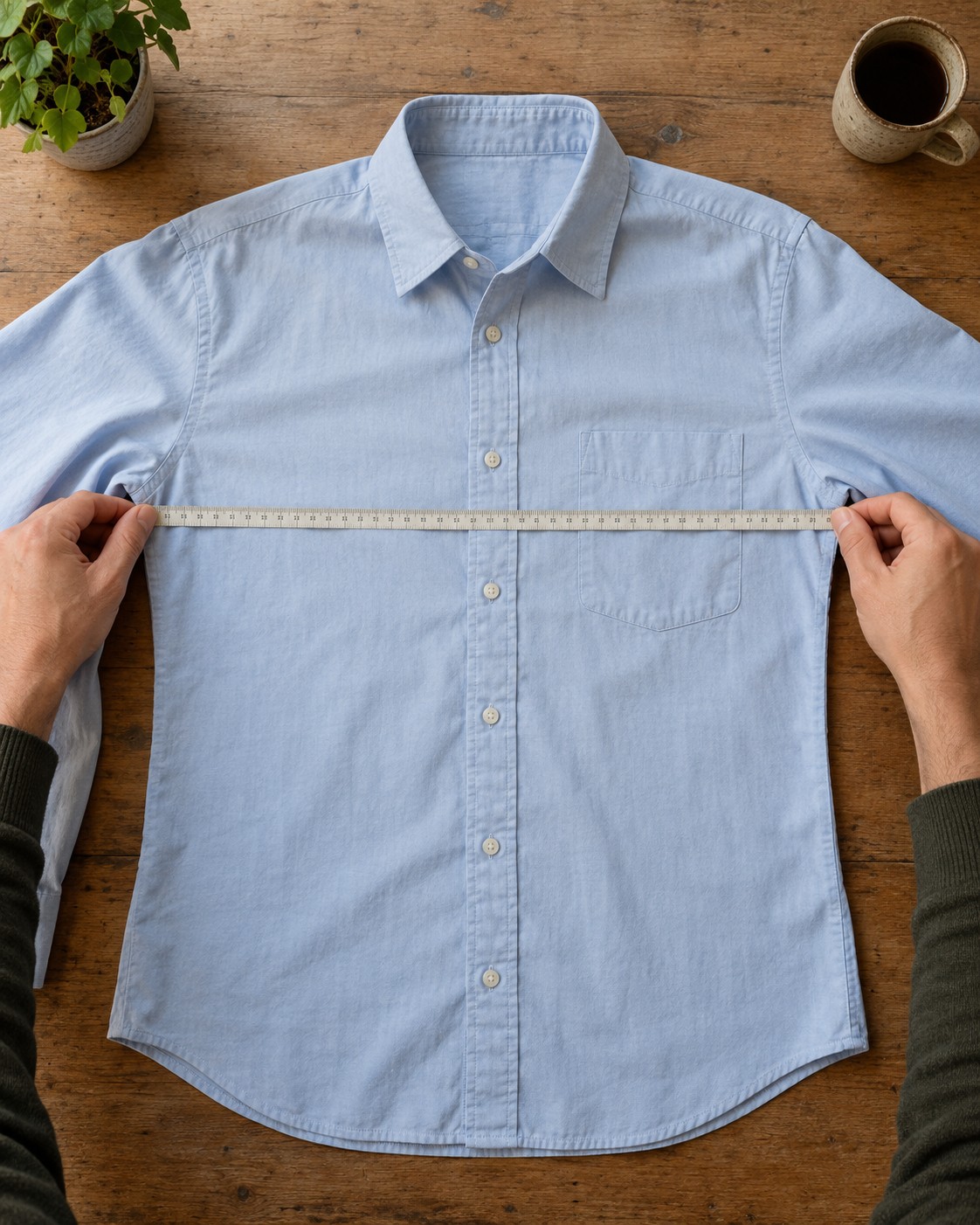
First identify what is being measured, then compare it with a body or garment measured the same way.
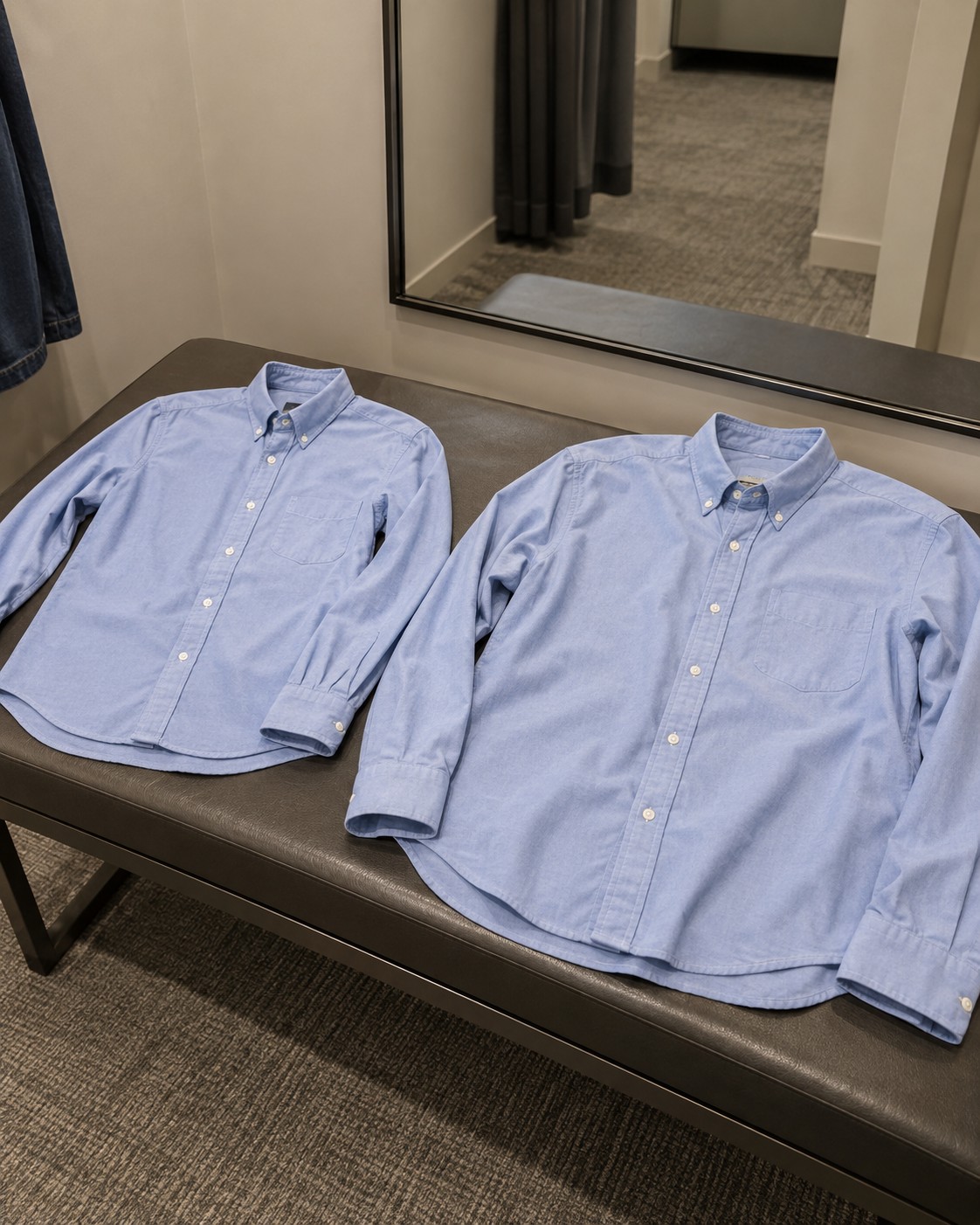
Identify where each option fails before deciding that the answer must be the larger or smaller label.
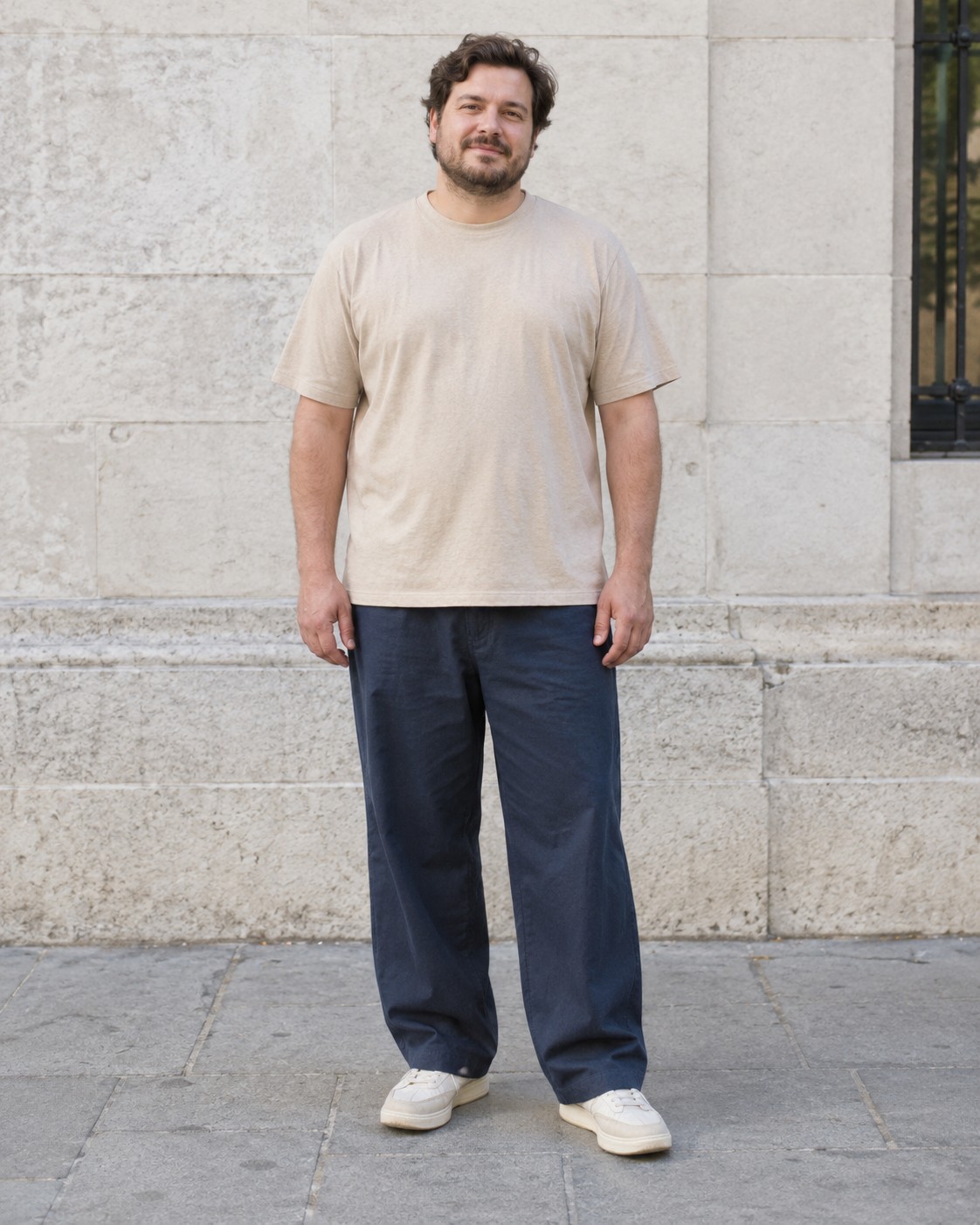
Choose where you want volume, then make sure the neckline, waistband and lengths support that choice.
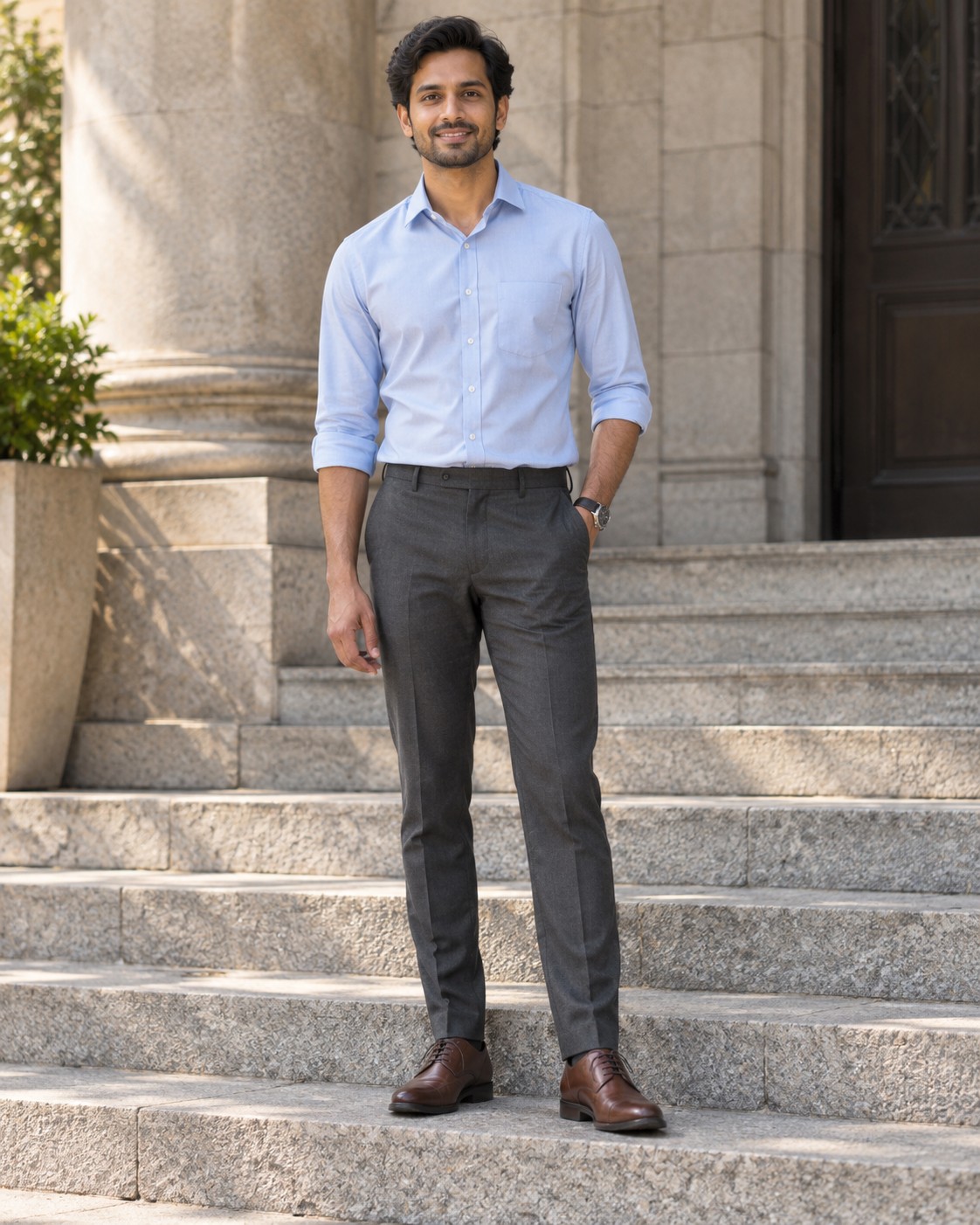
A close silhouette and restricted movement are not the same thing.
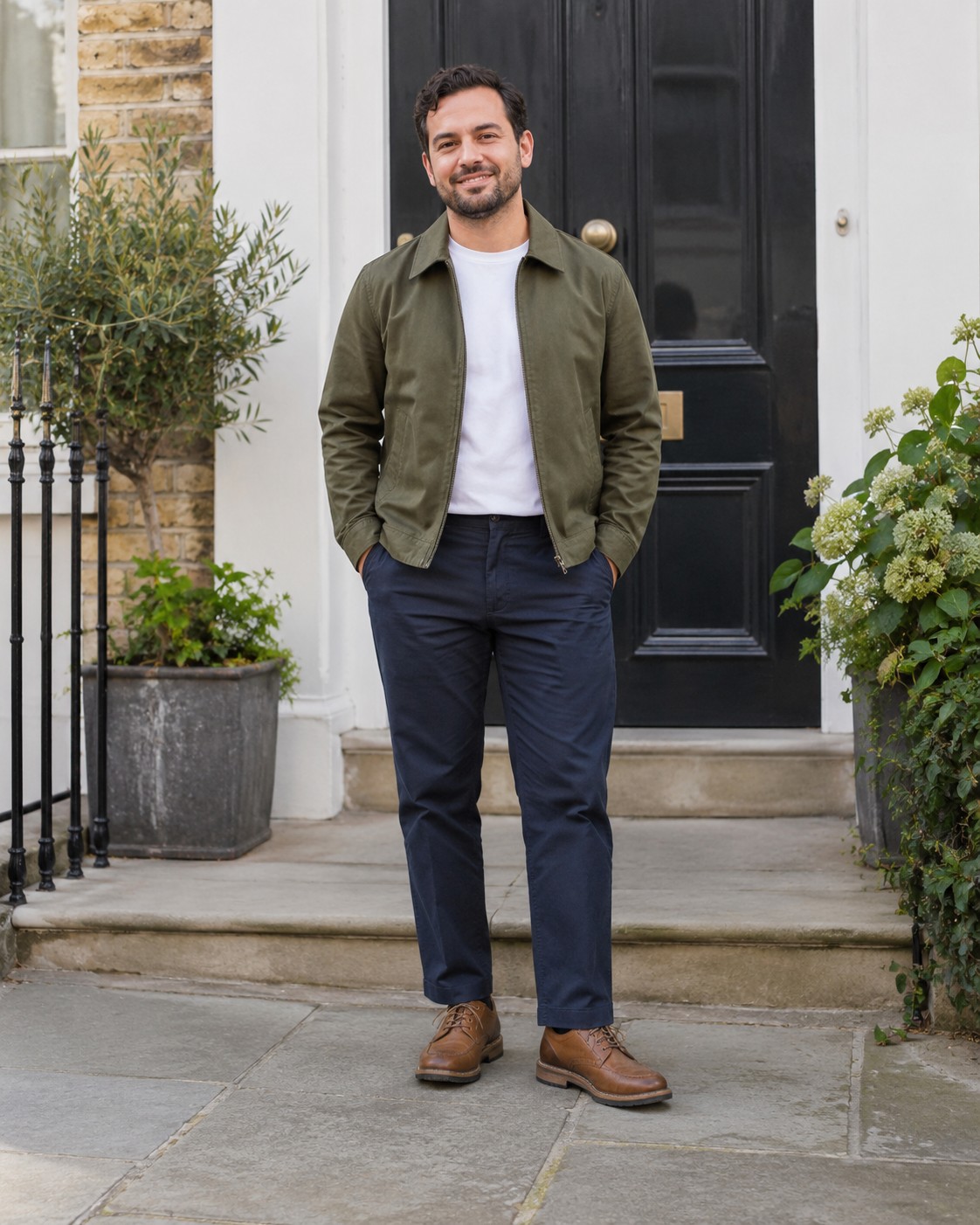
Prioritise garment length and detail placement without treating height as something that needs disguising.
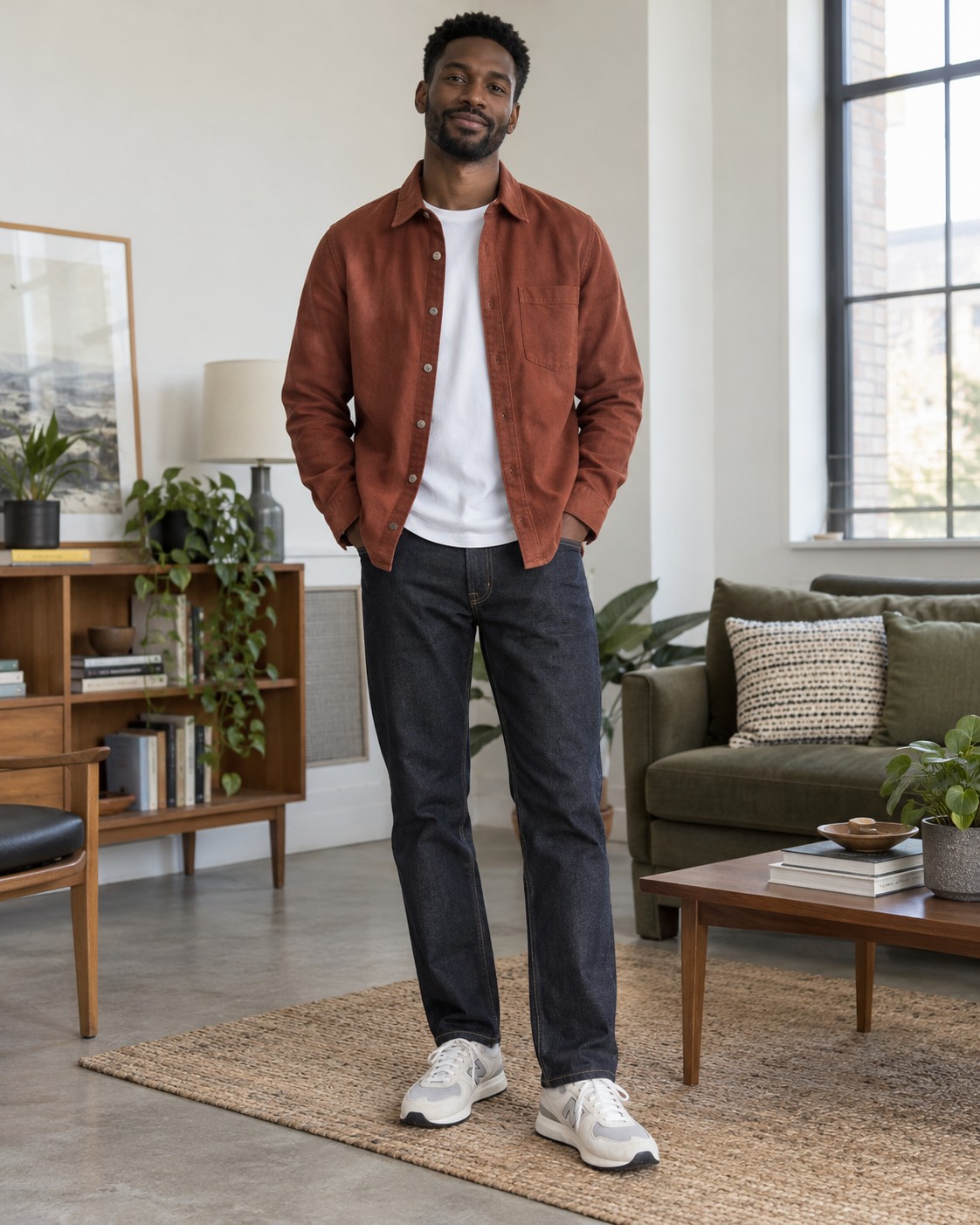
Extra sleeve and leg length should not require accepting excess width everywhere else.
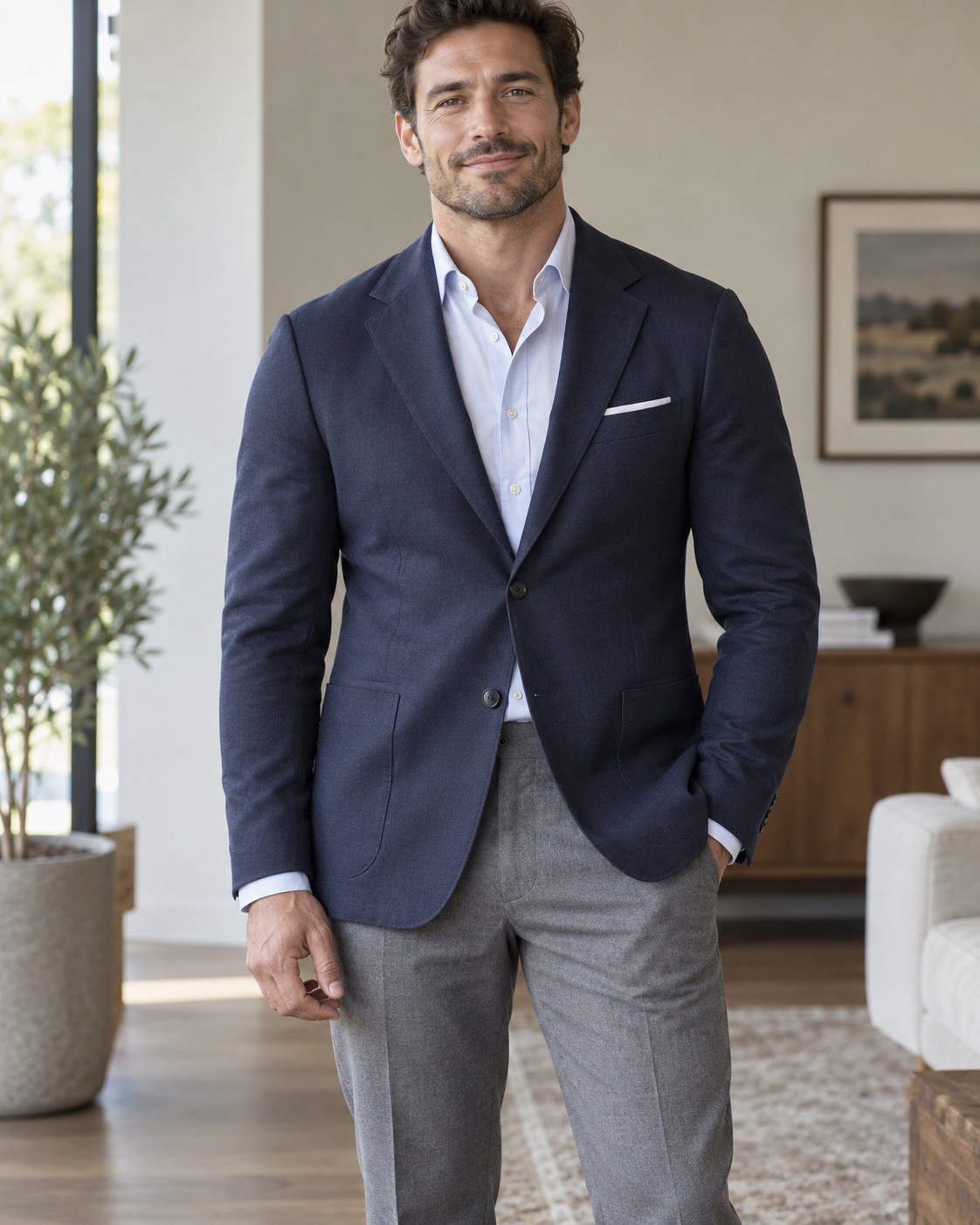
Allow room at the shoulders and upper back without assuming the rest of the shirt must be oversized.
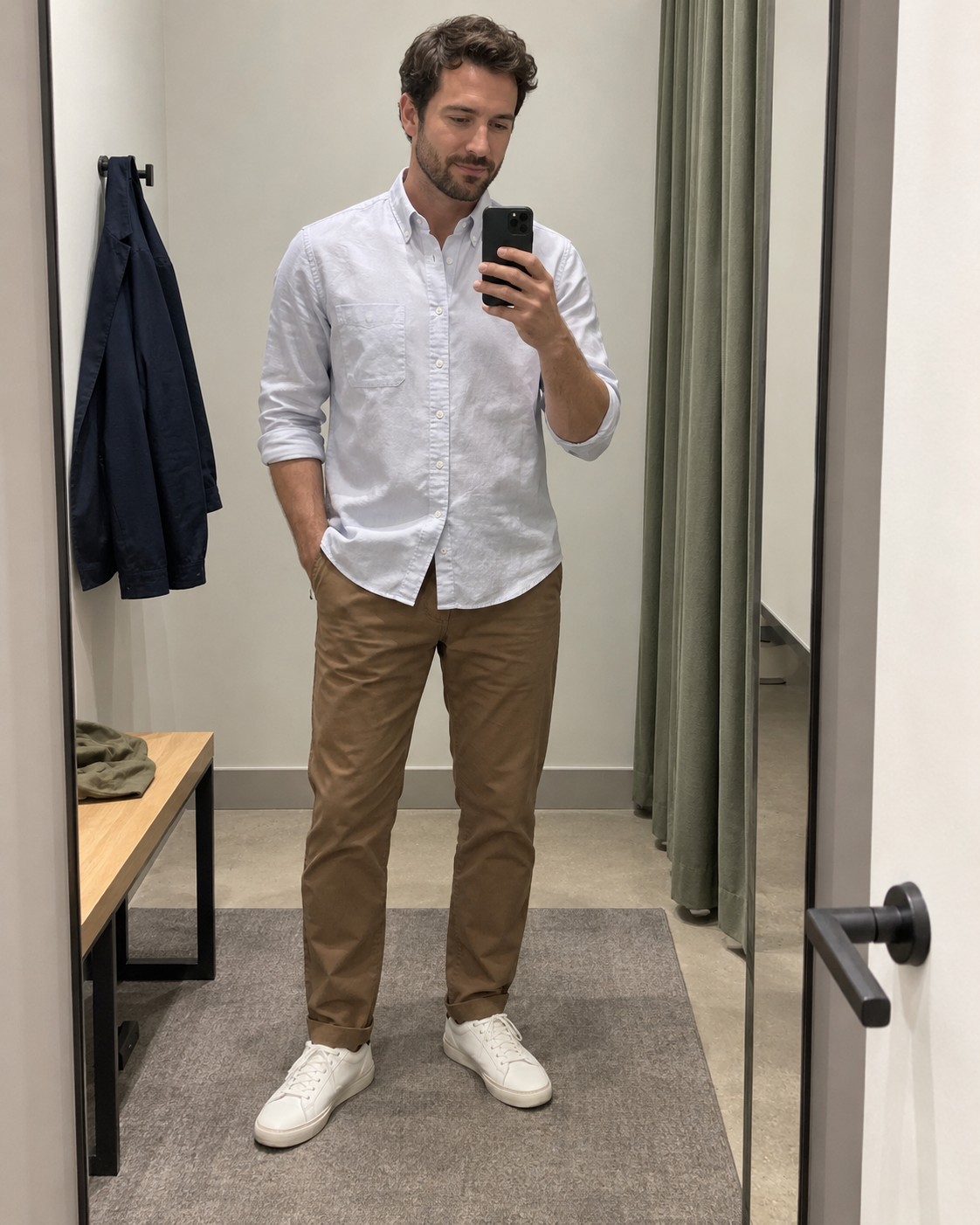
A consistent camera setup can reveal the back and side view, but it should support how the clothes feel rather than overrule it.
No articles match. Try a shorter phrase or clear the search.