Which clothing alterations are worth discussing
Start with the garment's condition and structural fit, then ask what a tailor can change without upsetting the rest.
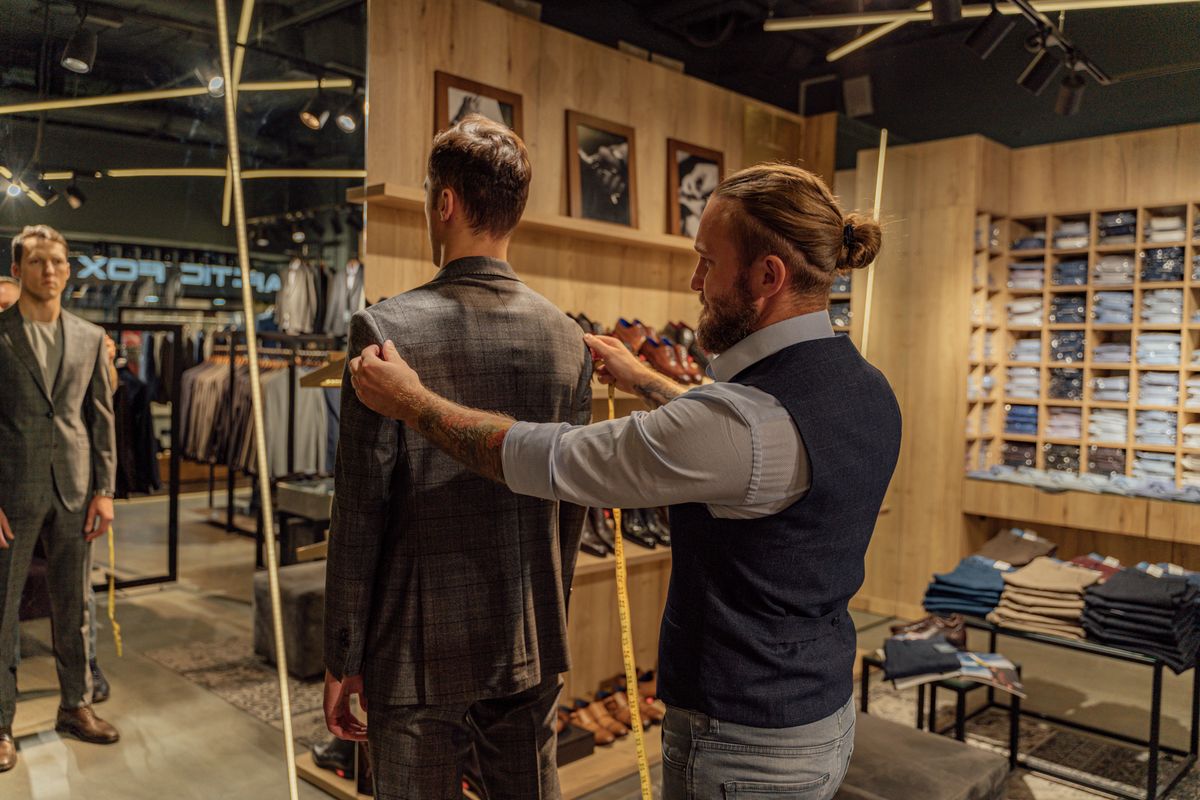
Alterations can make useful clothes easier to wear, but they are not a promise that any garment can become the right one. Before buying something that needs work, separate a small adjustment from a change to its basic shape. A hem and a jacket shoulder are not equivalent projects simply because both involve sewing.
Check whether the garment deserves the work
Inspect the fabric, lining, seams and areas of wear. A pair of trousers with sound cloth and an inconvenient length may be a sensible candidate. A jacket with several fit problems and deteriorating fabric presents a different decision. Sentimental value can justify work, but it should be part of a conscious choice rather than an assumption that repair will be economical.
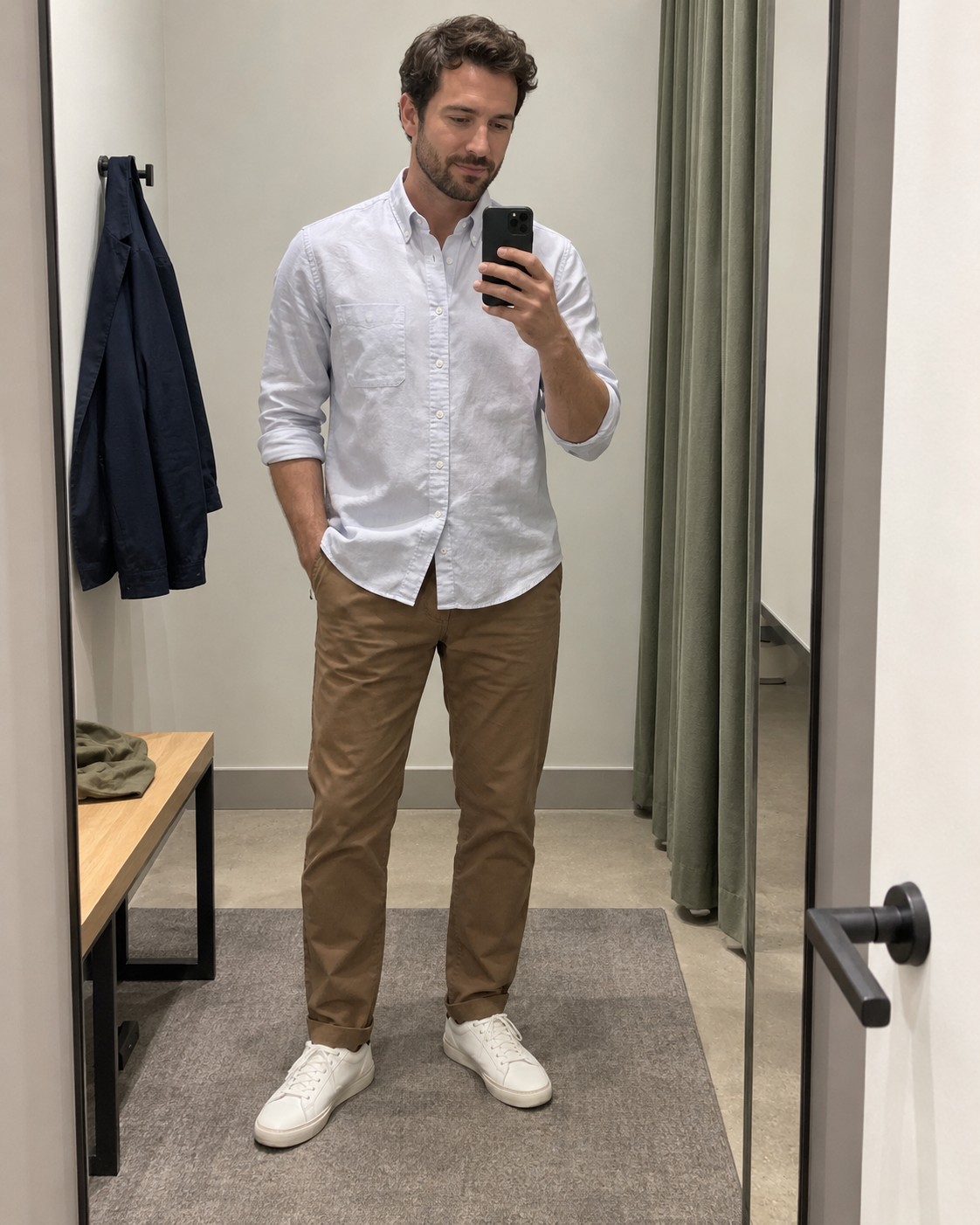
Try the garment with the clothes and shoes you intend to use. Sometimes the apparent problem comes from the combination: a trouser hem behaves differently over a large boot, or a jacket sleeve looks short because the shirt cuff is too loose. Confirm what actually needs changing before paying to alter it.
Distinguish a local adjustment from a structural one
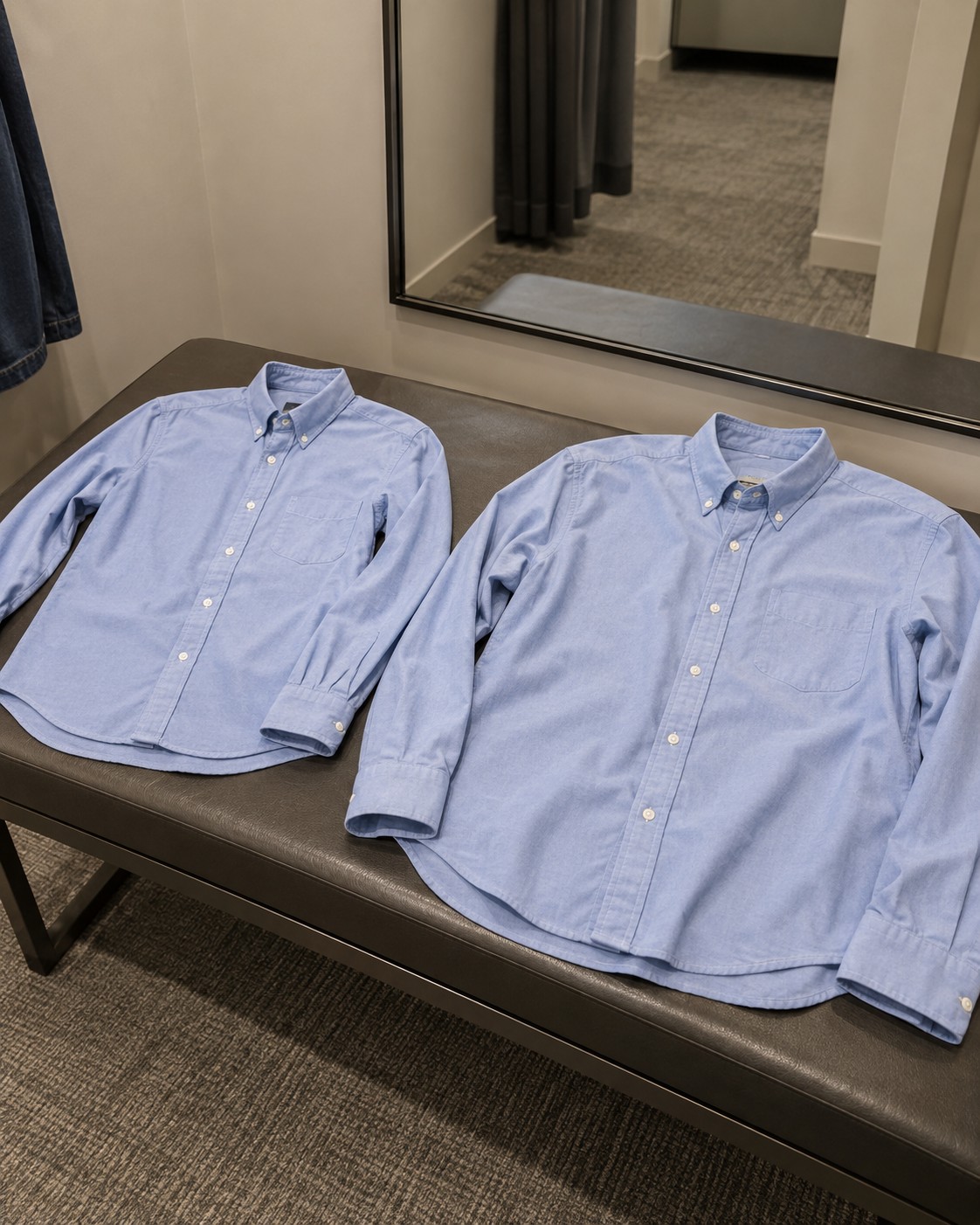
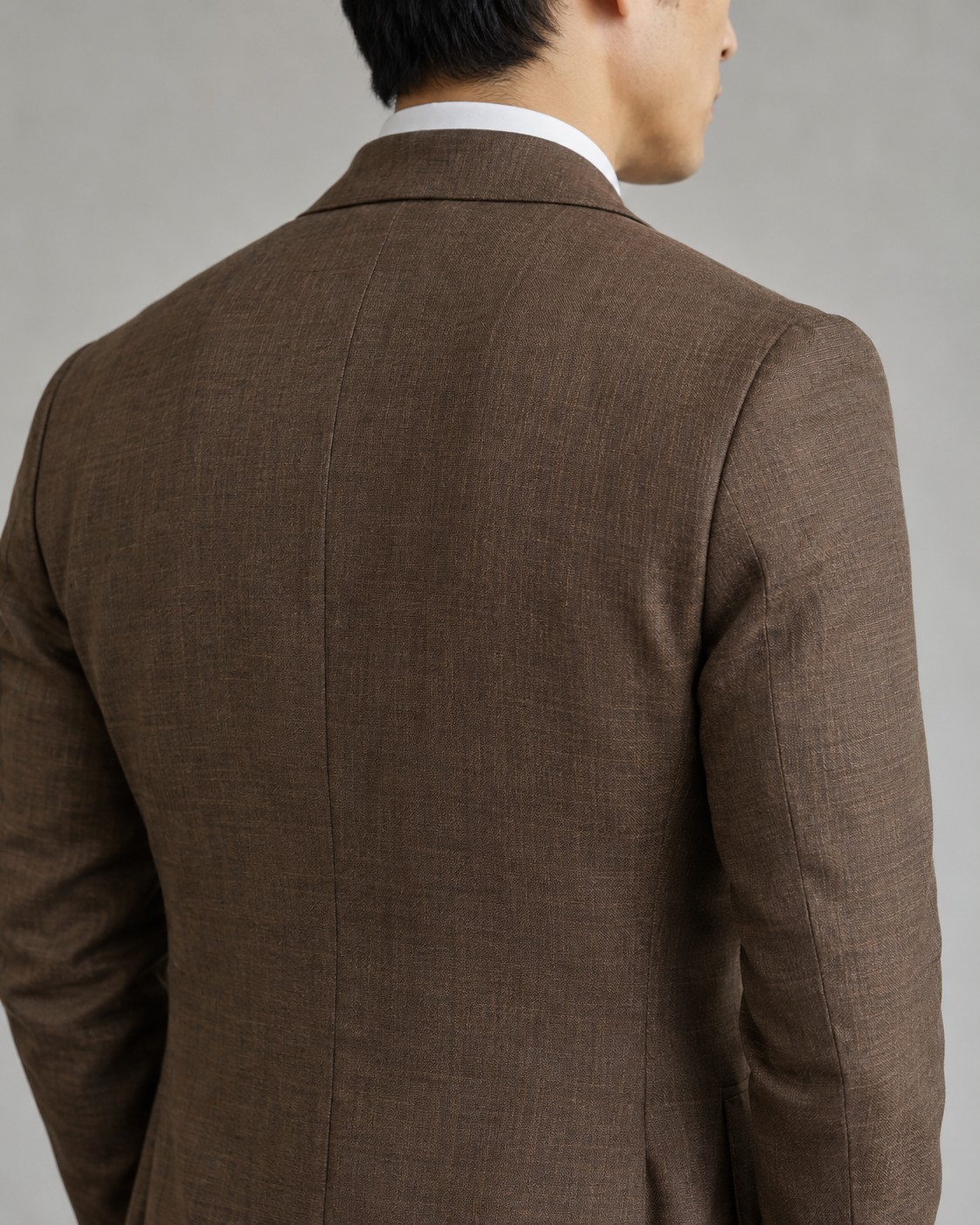
Shortening a plain trouser hem is often more straightforward than changing the rise or reconstructing the seat. Modest shaping at a shirt's sides is different from enlarging its chest when there is no spare cloth. Jacket shoulder work can involve the structure of the garment, not just moving a visible seam.
These are reasons to ask questions, not guarantees about every garment. Seam allowance, lining, pockets, vents and decorative details affect the options. A tailor needs to inspect the actual piece before promising what can be done.
Letting a garment out requires usable fabric inside the seams. Taking it in can also reach limits: pockets and seams may move into awkward positions, or the balance can change. The fact that cloth can be removed does not mean any amount can be removed without consequences.
Bring the complete fitting context
For trousers, bring the shoes and wear the waistband at its normal position. For jacket sleeves, bring the intended shirt. For a coat, include the normal layers. Stand naturally while pinning, then move and sit as appropriate.
Describe the problem in ordinary terms: the waistband slips, the hem catches, the sleeve covers the hand, or the shirt pulls when reaching. You do not need to diagnose the technical solution. Let the tailor explain the possible adjustment and show the intended result.
Ask for a clear agreement
Before leaving the garment, confirm the work, price and expected completion time. Ask whether the change is likely to leave visible marks or affect features such as a cuff, original jeans hem, pocket position or working buttonholes. If the proposal is extensive, ask whether a second fitting is appropriate.
For a new purchase, check the return conditions before any alteration. Once changed, it may no longer be returnable. Do not let the excitement of a sale price hide the total cost or the possibility that the altered result still will not be what you wanted.
A small example of the decision
Imagine trousers that feel comfortable through the waist, seat and thighs but gather heavily over your shoes. A pinned shorter hem lets you preview a clear, local change. Now imagine trousers whose pockets pull open, whose waistband slips and whose crotch feels restrictive. Shortening those legs would leave the main problems untouched. The same sale price can therefore lead to two very different alteration decisions.
For an older favourite, ask whether repair should come before fitting changes. Reinforcing a weak area or replacing a fastening may restore useful wear without changing the silhouette at all. Tell the tailor what you value about the garment so that a proposed improvement does not remove the feature you wanted to preserve.
Inspect the result as a garment, not a measurement
At collection, try it on with the relevant outfit. Check the requested change and the neighbouring areas. A tighter waist should not create uncomfortable pulling elsewhere; a shorter sleeve should still look balanced around the cuff detail.
If something is not as agreed, discuss it before leaving rather than assuming you must accept it silently. Keep the conversation specific and based on the fitting result.
Alterations work best when they refine a garment whose main shape already suits you. They can extend the use of clothes you own and make a near-right purchase more useful. They are less reliable as a plan to transform an unsuitable design into a completely different one.