Moving clothes between seasonal wardrobes
Store clothes clean, dry and visible enough that you remember what you own when the weather turns.

Changing a wardrobe for the season is an opportunity to make space, not a reason to hide half your clothes without looking at them. Before packing anything away, separate garments that are ready for storage from those needing cleaning, repair or a decision about whether you still wear them.
Finish the small jobs first
Empty pockets, fasten loose buttons and examine cuffs, hems and seams. A repair postponed in spring tends to reappear as a surprise on the first cold morning. Put garments needing professional attention in a separate place with a clear note, rather than including them in the storage box.
Follow each care label and allow everything to dry fully. Do not seal away a jumper that feels almost dry or a coat recently brought in from rain. Residual moisture and unnoticed food marks are poor companions for long storage. If a garment requires specialist cleaning, make that decision before it disappears from view.
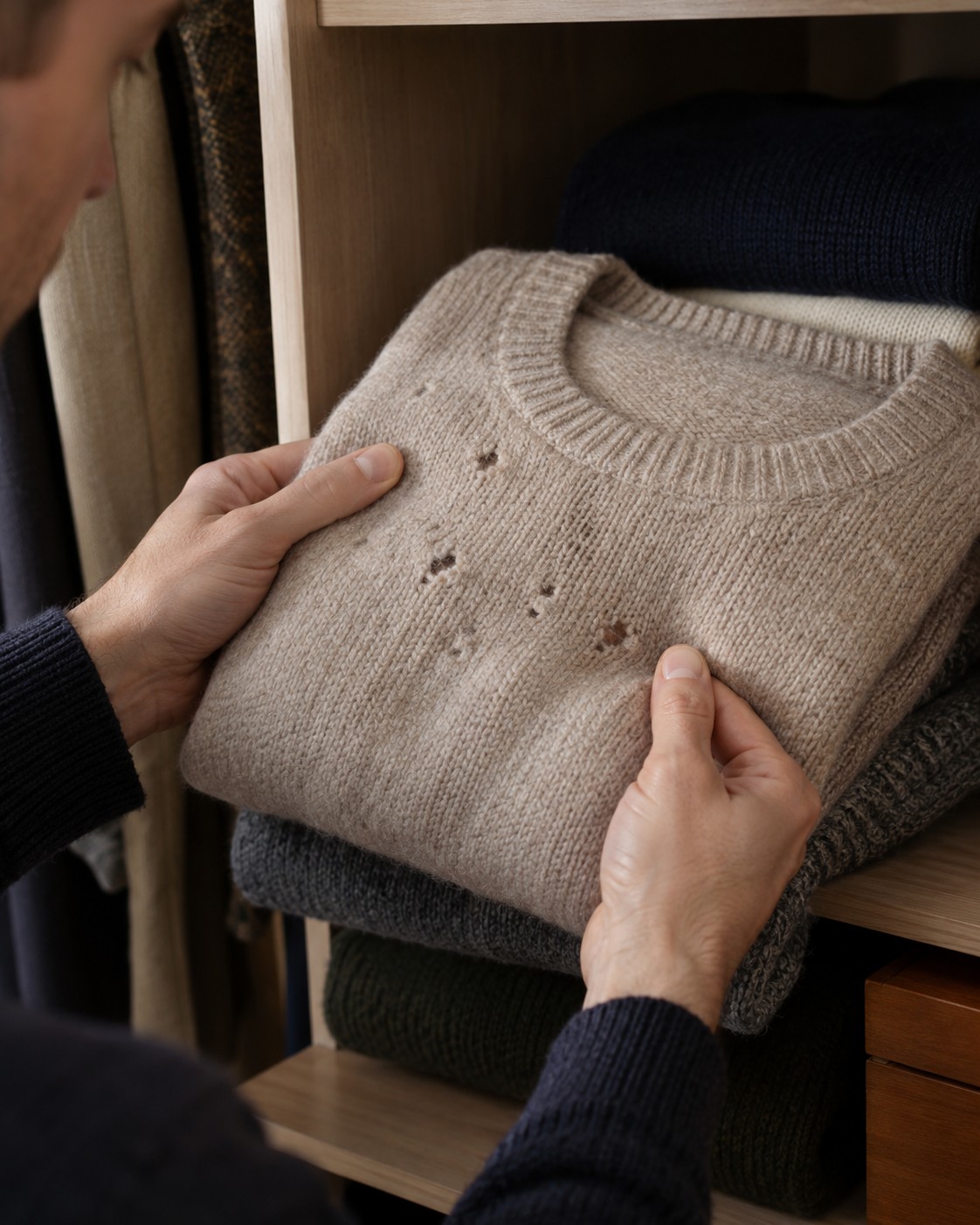
Inspect the storage space too. Remove dust and debris, and look for signs of pests. Small holes can have several causes, so do not diagnose every mark as moth damage, but investigate suspicious activity rather than adding fragrance and hoping it disappears.
Choose storage to suit the garment
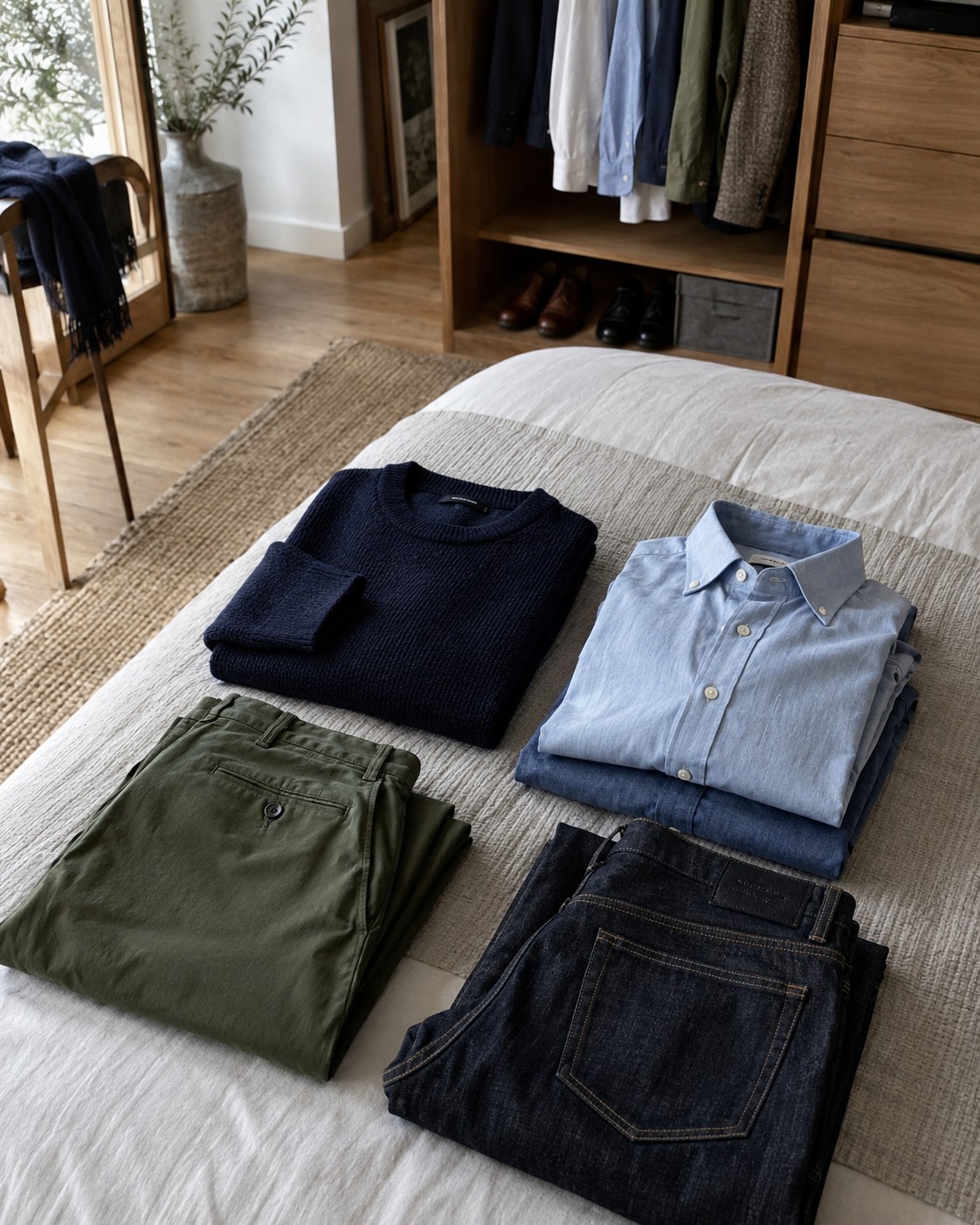
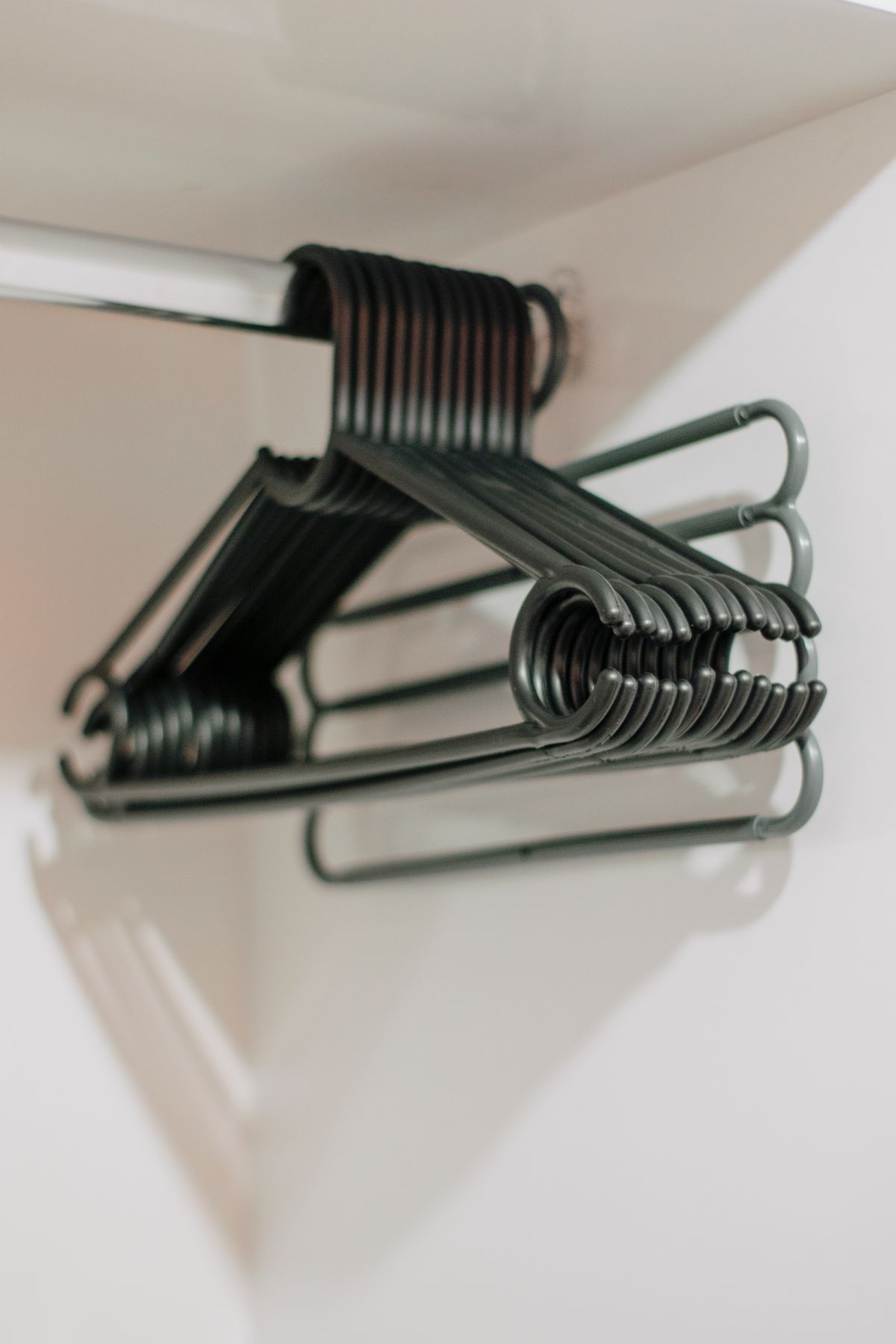
Fold knitwear so it is not hanging under its own weight for months. Support tailored coats and jackets on appropriate hangers, with space around them. Avoid compressing structured shoulders under a pile of shoes or tightly packed boxes.
Use clean containers or garment covers suited to the space and material. Keep items away from damp, direct sunlight and excessive heat. A loft or basement may seem convenient but can be a poor environment if temperatures or moisture vary substantially. Check the conditions rather than assuming that any unused corner is suitable.
Label the contents in ordinary terms: wool jumpers, summer shirts, winter scarves. An inventory photograph can prevent buying a replacement for something merely forgotten. Keep a light layer accessible during changeable weather instead of packing strictly by the calendar.
Reopen before you need everything
Bring the next season's clothes out with time to inspect them, air them where appropriate and address any care needs. Check fit without treating a change as a personal failure. Clothing can be altered, reassigned or passed on if it no longer works.
Review what stayed untouched through the previous season. There may be a clear reason, such as a missing repair or a changed workplace. Deal with that reason before returning the item to the same hidden box. Seasonal storage is most useful when it makes the active wardrobe easier to use and the stored wardrobe easier to recover.