Reading a wedding dress code before choosing clothes
Use the couple's instructions first, then plan for the ceremony, venue and weather.
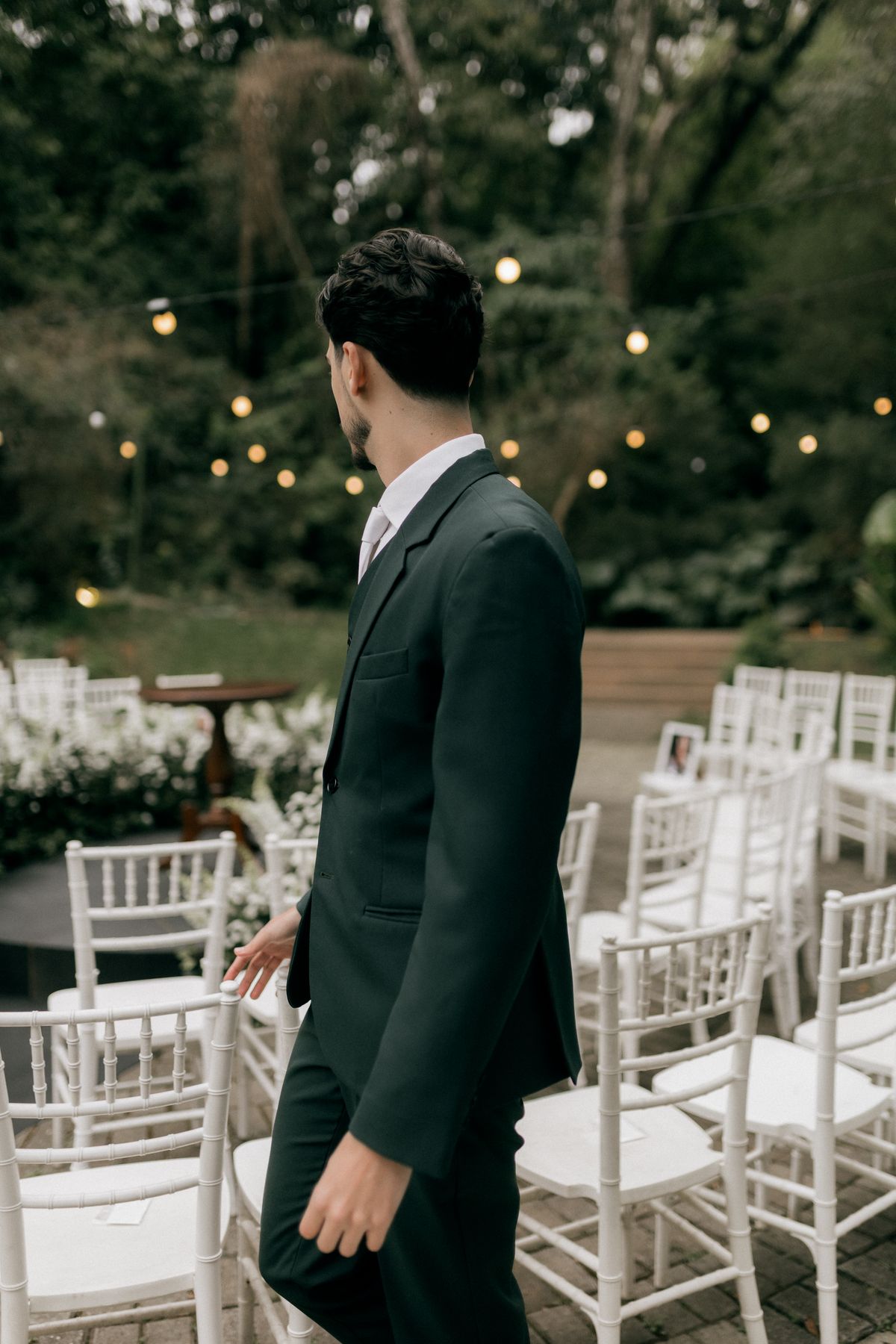
A wedding outfit begins with the invitation, not with a photograph of another wedding. Read any accompanying website information and check whether the ceremony and reception have different arrangements. A rural setting does not automatically mean casual clothing, and an expensive venue does not automatically mean black tie.
Find the explicit instruction
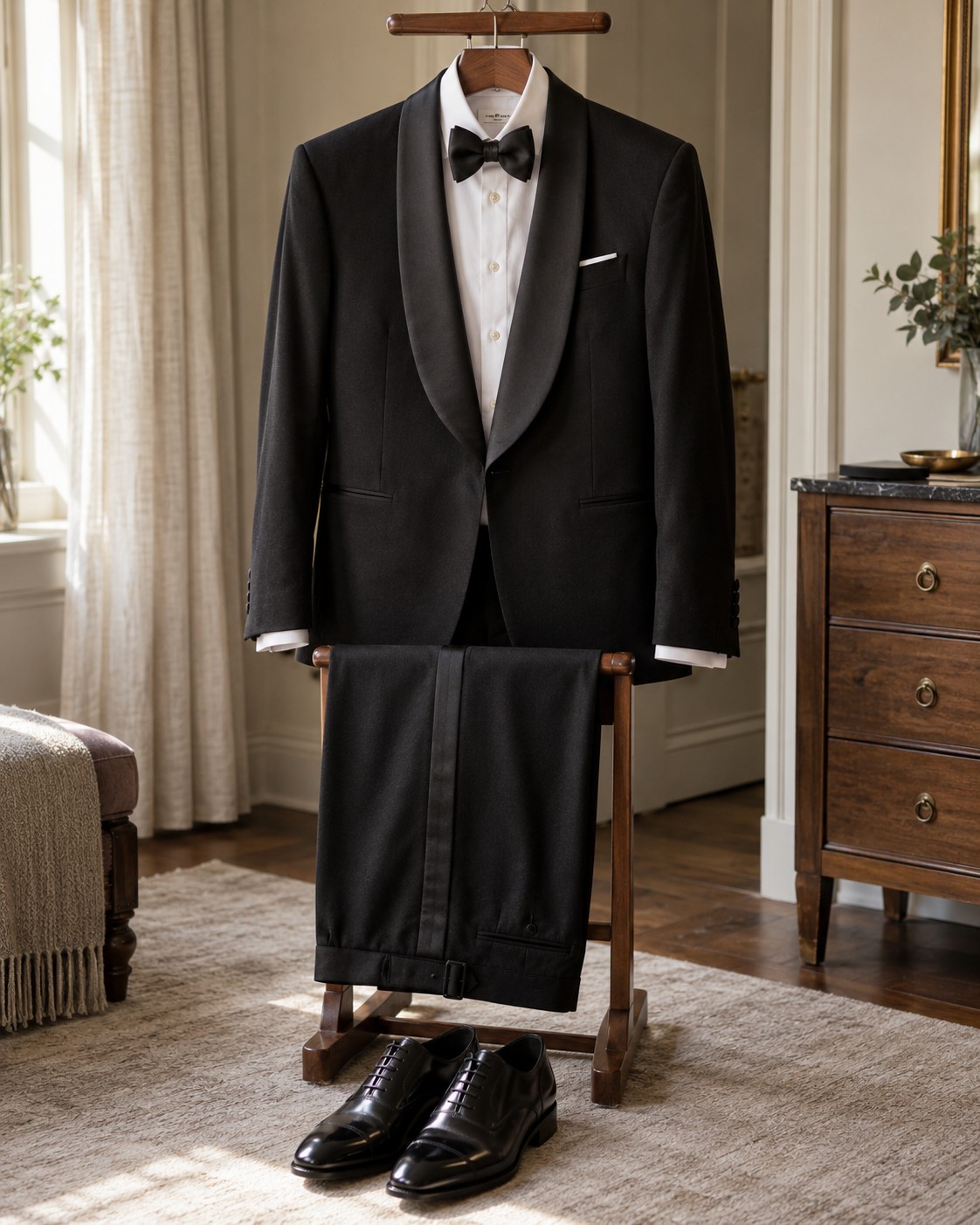
Look for terms such as black tie, cocktail, formal or smart casual, together with any examples the couple provides. Some labels vary by region and host. If the instruction is ambiguous, ask a concise question well before the event. Whether a suit is expected or whether particular footwear is suitable are useful things to clarify.
Emily Post's wedding guidance highlights the invitation and cultural context as important clues. Religious or cultural requirements may affect head coverings, footwear or other clothing choices. Ask respectfully where you are unfamiliar with the ceremony rather than assuming a generic Western outfit answers every requirement.
Separate the dress code from the climate
Once you know the level of formality, choose a version suitable for the weather. A warm day may call for lighter cloth, but it does not erase a request for a suit. A winter event may require an appropriate coat over the outfit rather than an excessively heavy indoor layer.
Consider the surfaces you will walk on. Gravel, lawns and wet paths can affect footwear choices. If the ceremony involves standing outdoors, plan accordingly and ask the venue or hosts when necessary. Do not wait until arrival to discover that the shoes you chose only work comfortably on a smooth indoor floor.
Assemble the whole outfit early
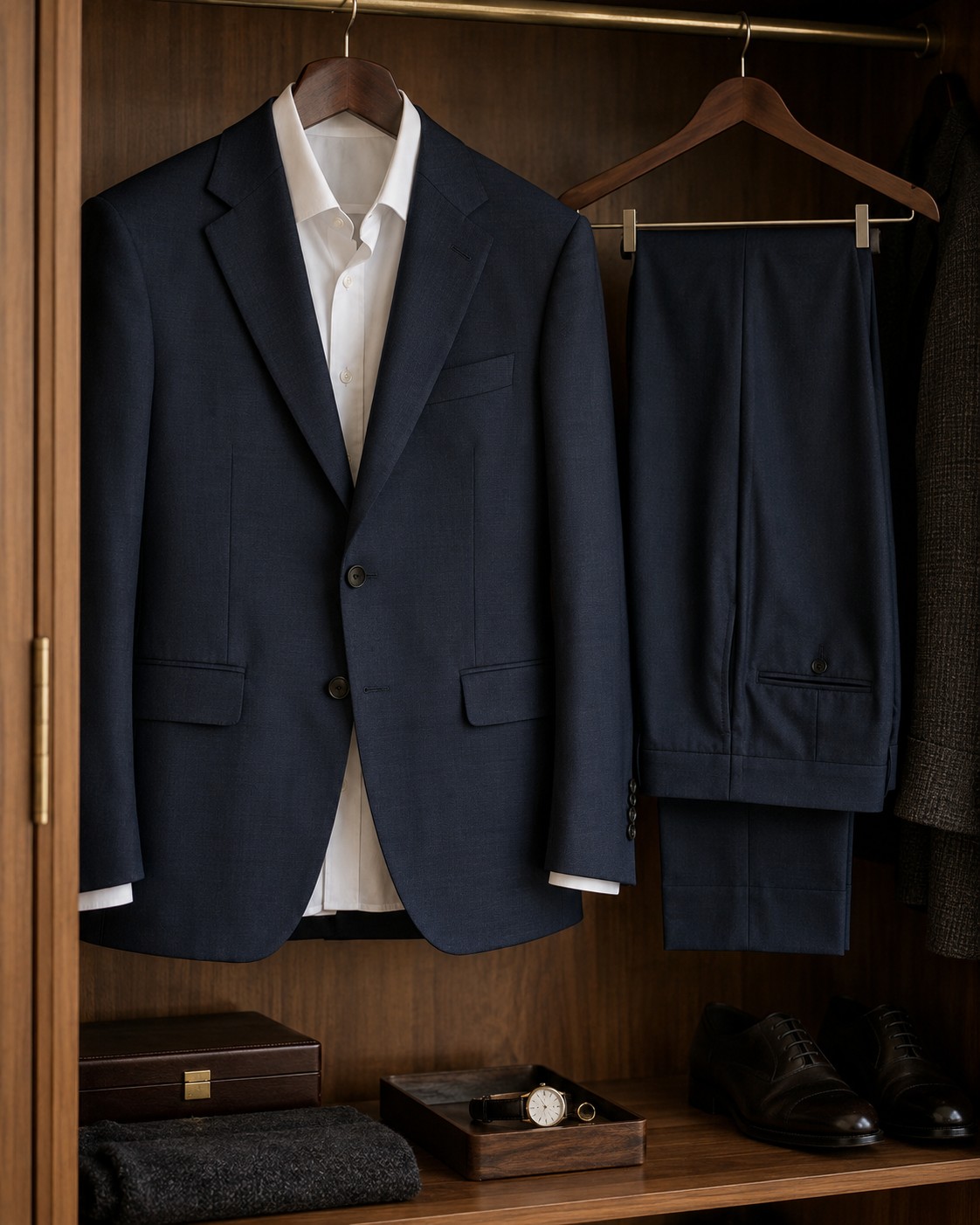
Try on the clothes at least several days before departure. A suit stored since the last wedding may fit differently now, and shoes may need care or repair. Include the shirt, socks, belt or braces where relevant, and any tie. Check how the outfit feels seated as well as standing, because weddings often involve a long meal and extended periods in one place.
Keep accessories proportionate to the event. A pocket square is optional, and a matching tie-and-square set is not necessary. Unless you have a role in the wedding party, avoid deliberately imitating its coordinated clothing. Your job as a guest is to fit the occasion, not compete with its central participants.
Work with your budget and existing clothes
If the required outfit is something you rarely wear, compare borrowing, hiring and buying before committing. Confirm the exact fit and included items with any hire arrangement. If borrowing, try the clothing early and discuss care and return expectations. A garment that is nearly your size is not automatically comfortable enough for a full day.
When an instruction creates a genuine difficulty, speak with the couple or organiser discreetly rather than skipping the event or making an expensive last-minute purchase you cannot justify. Comfort and accessibility needs should be addressed openly; generic style advice cannot decide those circumstances for you.
Handle conflicting clues sensibly
Suppose the invitation says cocktail attire but the venue photographs show guests in casual summer clothes. Follow the invitation, then ask about any practical concern such as outdoor footwear. Photographs may be from a different event with different expectations. Similarly, a friend's claim that nobody will wear a tie is less reliable than the couple's direct guidance.
If the ceremony and reception are in different locations, think about the transfer. You may need a coat, a bag that carries a removed layer or time to change shoes. Keep these arrangements proportionate: a short walk does not require a second wardrobe, but a long outdoor journey should not be ignored simply because the indoor outfit is settled.
When borrowing or hiring, arrange a backup for an actual risk rather than every possibility. Confirm collection dates and the time available to resolve a sizing problem. Keep the hire provider's contact details and instructions with the booking. Small planning decisions made early are more useful than a collection of extra accessories bought on the way to the ceremony.
For travel, pack the complete outfit together and leave time to hang or prepare it after arrival. Keep small items in a place you can find easily. The final check should be about readiness, not redesigning the outfit on the morning of the ceremony. Once the requirements are met, choose the version that lets you participate comfortably and focus on the celebration.