Clothes that work for a video meeting
Test the camera view, neckline and lighting rather than relying on a list of forbidden colours.
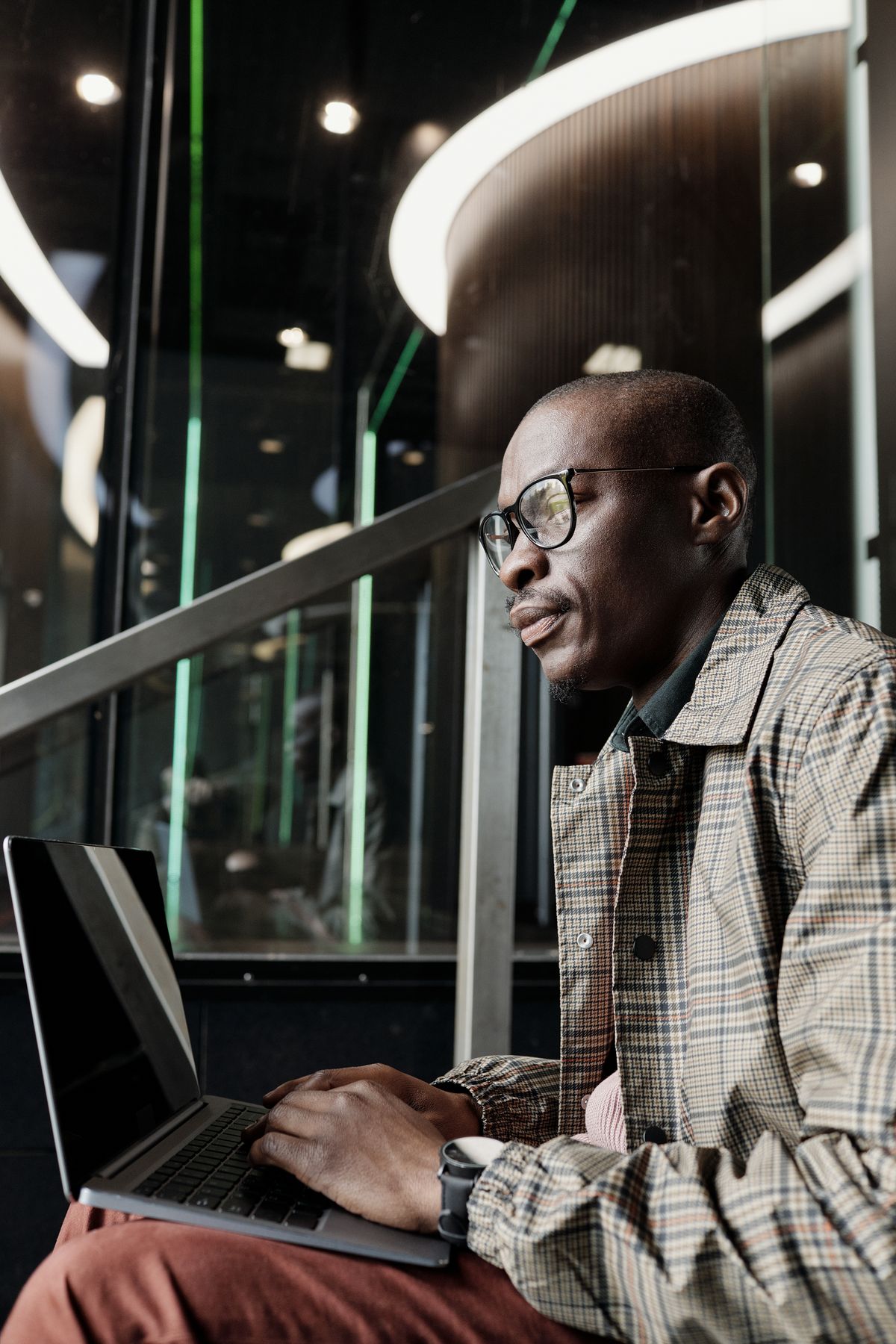
Clothing on a video call is seen through a camera, lighting and software, so the mirror does not tell the whole story. Before an important meeting, open the actual call preview in the place where you will sit. Use the same light and camera position you expect during the conversation.
Match the meeting, not just the screen
A routine internal call may need no change from your normal work clothes. A client presentation or interview may call for a shirt or jacket. Oxford's careers guidance recommends treating video interview dress with the same professionalism as the in-person equivalent; that is a useful reminder not to confuse being at home with a different level of formality.
Dress as a complete outfit. You may stand up to reach a document or respond to something in the room. More importantly, trousers that are comfortable while seated help you concentrate. There is no benefit in arranging a formal upper half over a lower half that you are anxious to keep hidden.
Look for what the camera changes
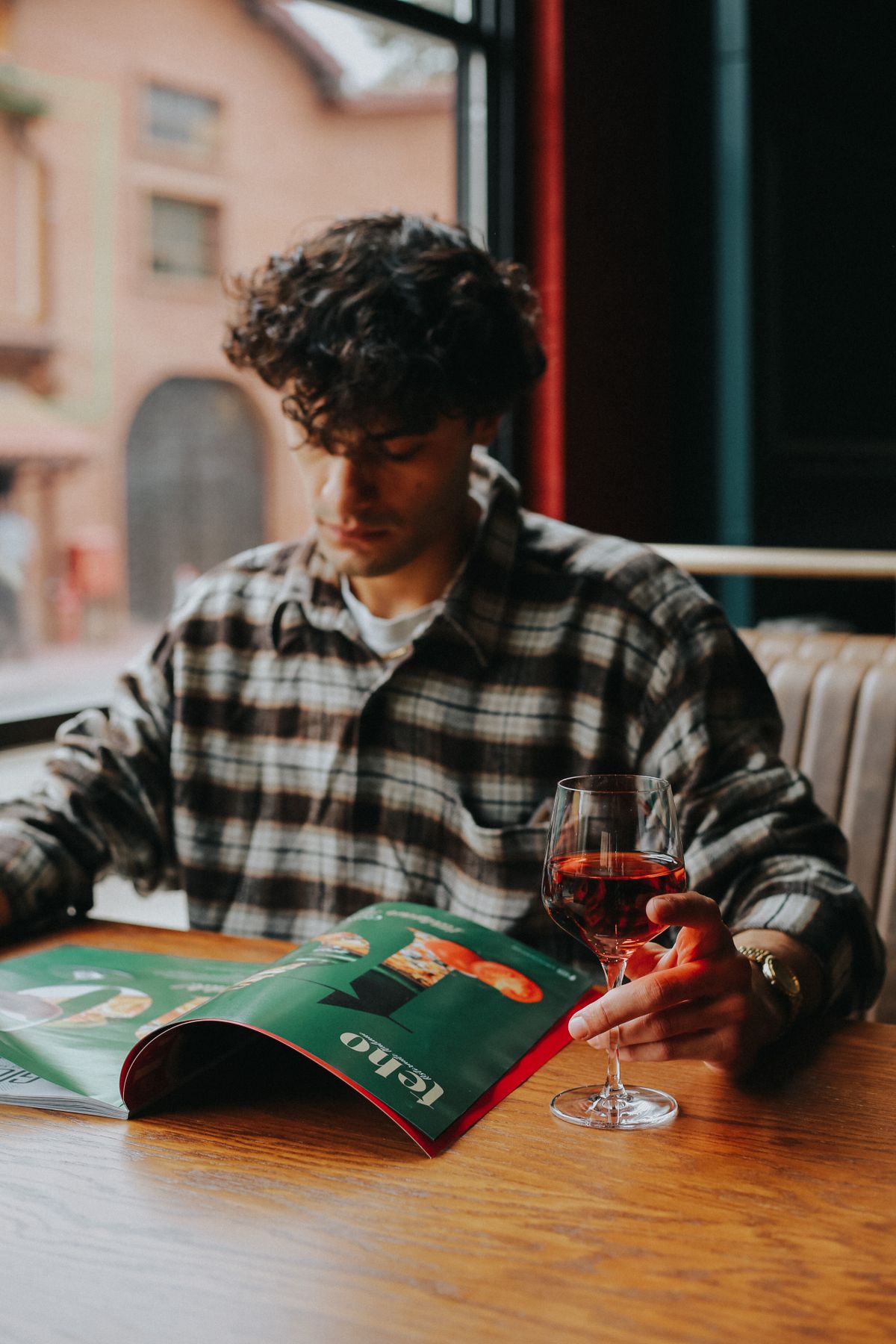
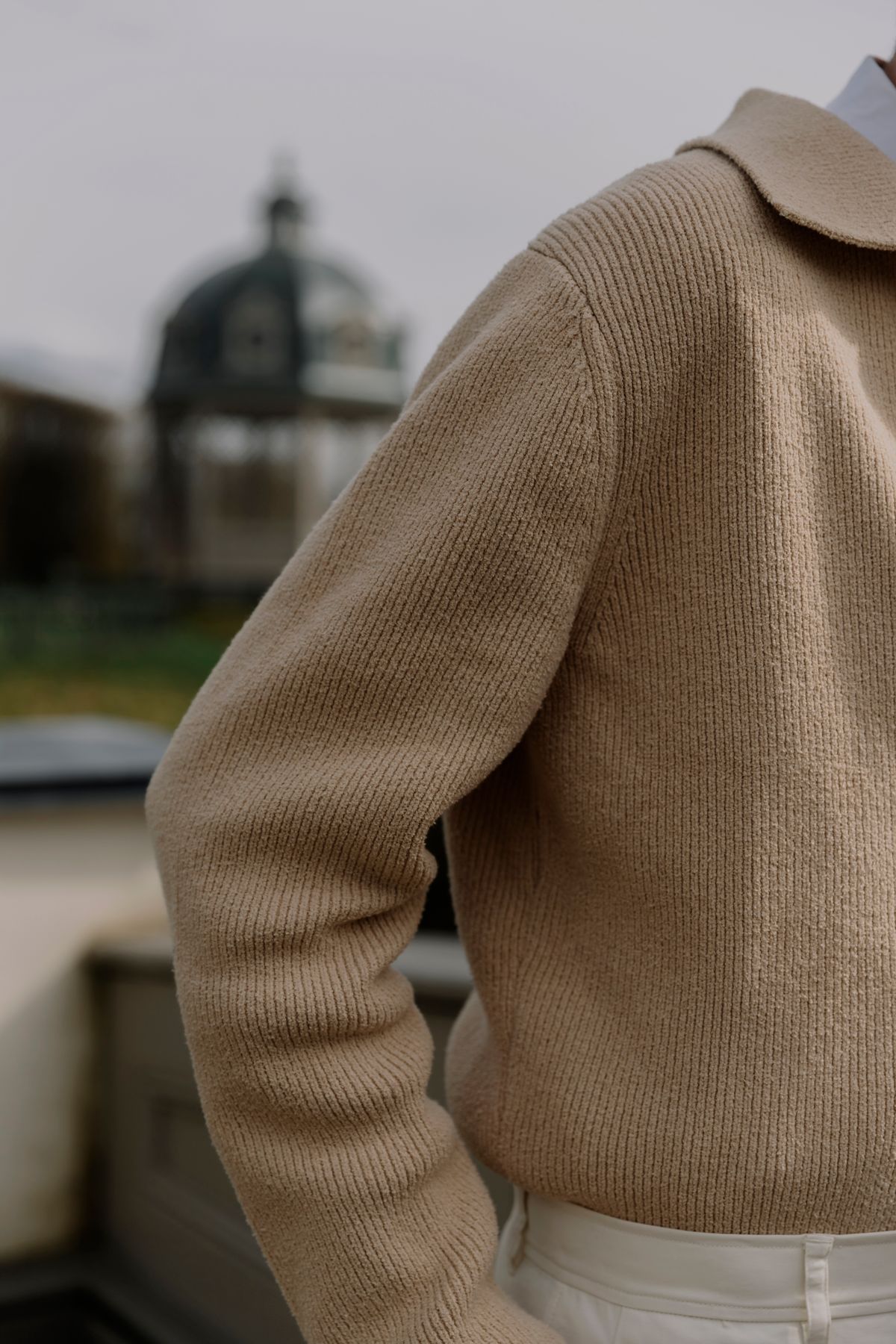
Fine stripes or checks can produce distracting effects on some cameras and displays. Test the actual garment rather than assuming all patterns are unsuitable. If the preview looks restless, a plain shirt or knit is a simple alternative. Strong contrast between clothing and background can also affect how the camera exposes your face.
Try a mid-tone blue, green or grey if very pale or very dark clothing is causing problems in your setup. This is an adjustment to the equipment and lighting, not a rule about which colours suit you. Moving a light or changing the background may solve the issue without changing clothes.
Check the neckline from the seated camera angle. An open shirt may reveal more than it does while standing, and a jacket collar may bunch if your chair pushes it forward. Sit naturally and speak for a moment instead of holding a posed position for the preview.
Remove distractions before joining
Arrange headphone cables and check whether a microphone rubs against a collar, scarf or necklace. Roll or settle sleeves so you are not repeatedly pulling at them. Put anything you need within reach so the clothing can become a background detail rather than part of the performance.
Save the combination that works for important calls. You do not need a new camera outfit every week. A reliable shirt or knit, suitable lighting and a comfortable seated fit provide a repeatable setup, leaving your attention available for what you need to say.