Cleaning trainers by material
A trainer can contain several materials; clean each part without assuming the whole shoe is machine washable.
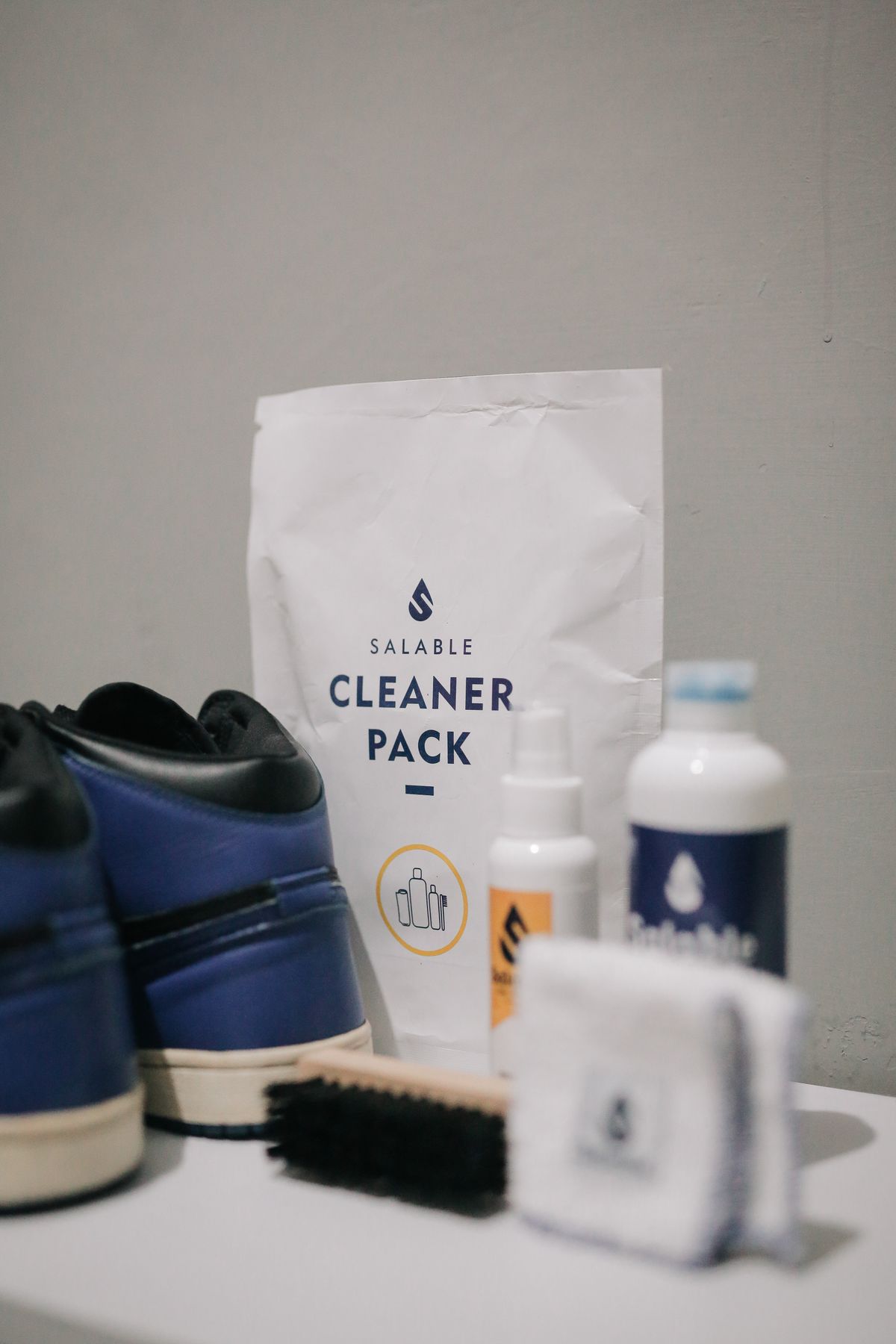
Cleaning trainers begins with identifying their parts. A single pair may combine mesh, smooth leather, suede, foam and glued decorations. The method that works on the rubber sole may be unsuitable for the upper immediately above it. Read the maker's instructions before treating the shoe as one washable object.
Remove loose dirt first
Use an appropriate soft brush to lift dry surface dirt. Take care around mesh, stitching and delicate panels. Separate removable laces if the instructions allow, so you can reach the tongue and clean the laces without grinding dirt into the upper.
Nike's general shoe-care guidance uses gentle hand cleaning and distinguishes materials. That is a useful reminder not to assume machine washing is permitted. The care information for your exact pair takes priority over a routine for a superficially similar trainer.
Test a compatible cleaning product on a hidden area and allow it to dry before continuing. Pay special attention to coloured panels next to white fabric, since transfer can create a new problem. Use only the recommended concentration; more detergent is not automatically more effective.
Work in sections
Keep the brush or cloth used on the sole separate from the one touching the upper. Otherwise, grit from the dirtiest area can be dragged over a more delicate surface. Remove residue as directed rather than leaving a thick layer of cleaner to dry on the shoe.
Do not scrub suede panels as though they were smooth rubber. Use material-specific guidance and tools. Likewise, a mesh upper should not be pulled hard across a stiff brush. If a stubborn stain remains, stop before the attempt to remove it visibly damages the fabric.
Clean removable insoles only as the manufacturer permits and make sure they are dry before replacing them. Do not force out parts that are fixed in place. The inside of the shoe needs care too, but soaking it without a drying plan is not a reliable solution.
Allow time for drying
Air dry in the recommended conditions, away from direct heat. Avoid a radiator, hairdryer or tumble dryer unless the manufacturer specifically allows that method. Check the tongue and inner lining before wearing the pair; the outside can feel dry while those areas remain damp.
Plan cleaning for a day when another suitable pair is available. Rushing the final drying stage because you need to leave often undoes a careful process. Store the trainers only once they are fully ready.
Not every mark can be removed safely, and normal creasing does not mean a shoe is dirty. A clean pair with some evidence of wear can still look entirely appropriate. Focus on hygiene, material condition and intact construction rather than trying to restore a used trainer to a product photograph.