Ironing a cotton shirt in a workable order
Work through the smaller sections first and keep already-pressed fabric from folding back underneath the iron.
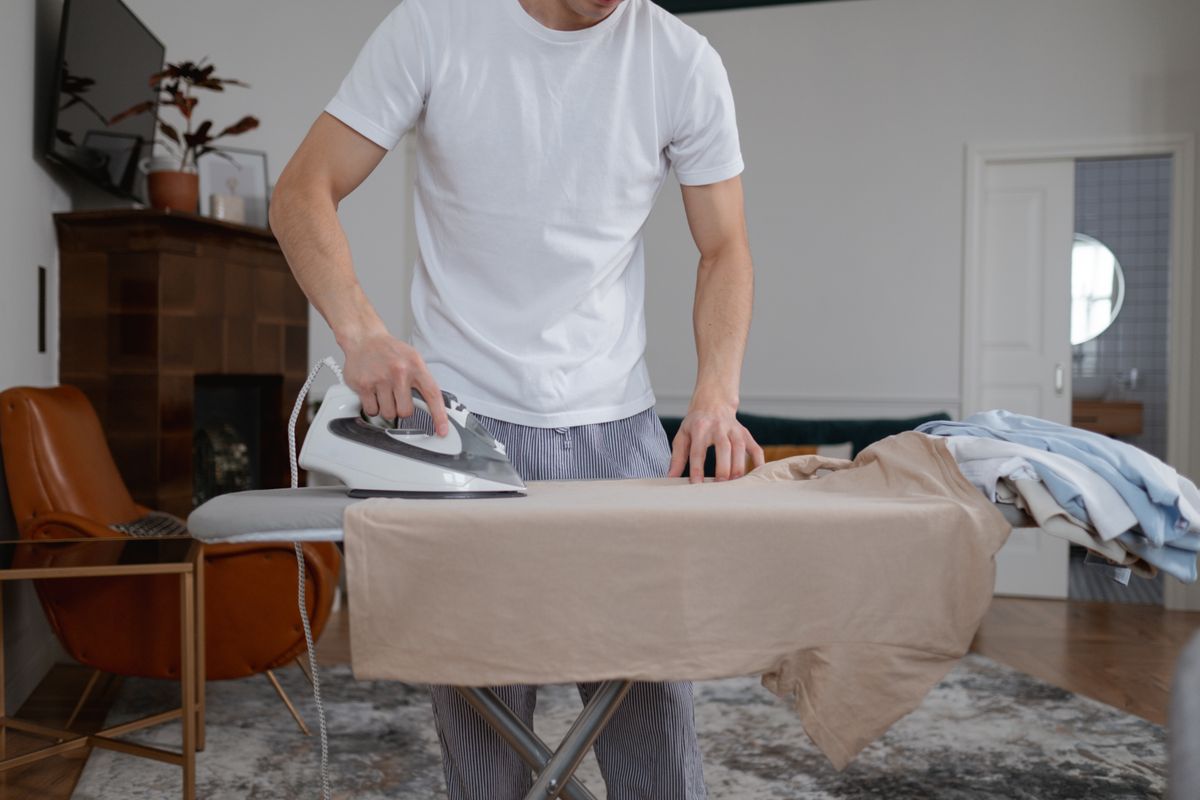
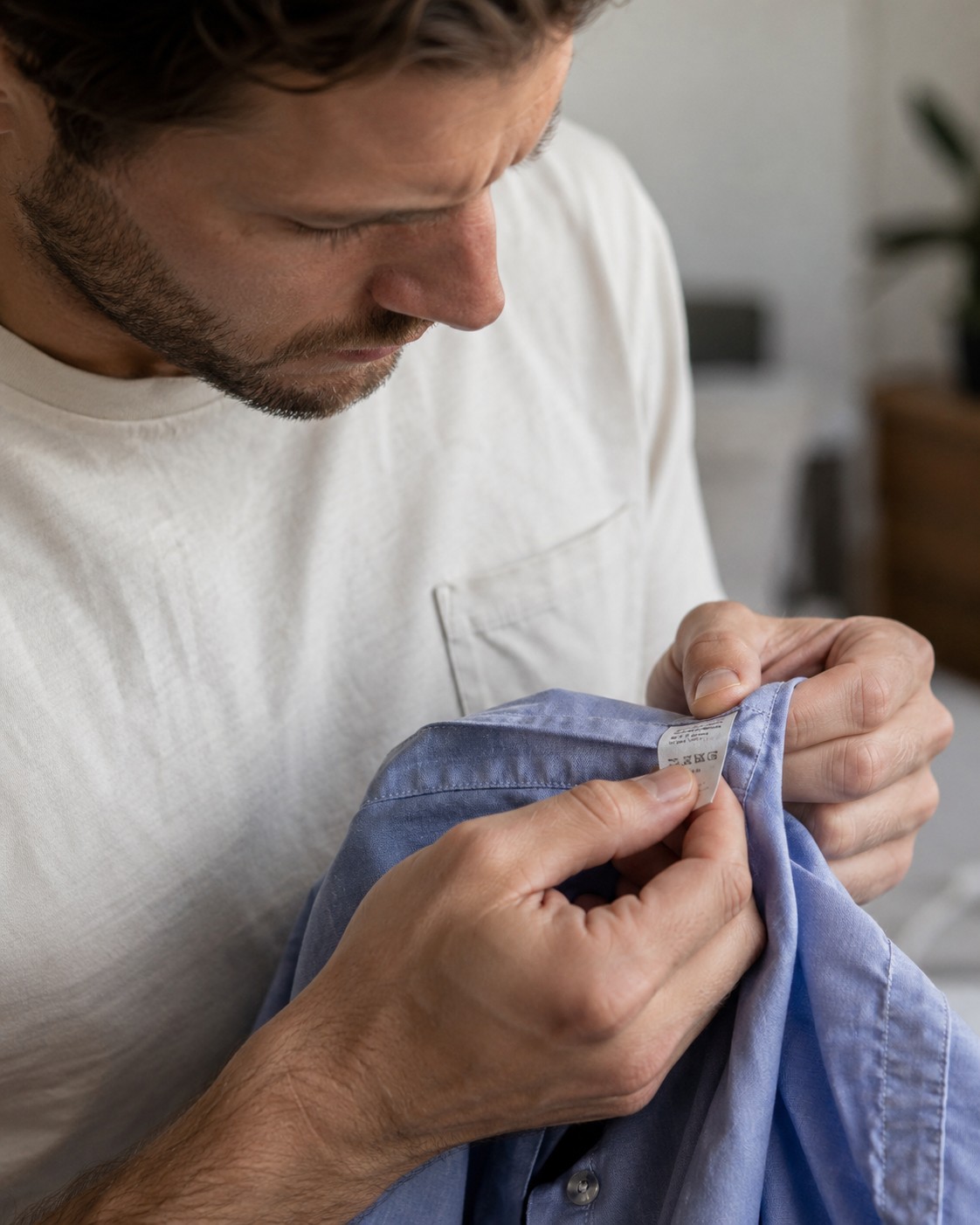
Ironing a cotton shirt becomes easier when the order limits how often you crumple a section you have just finished. There is no prize for speed. Set up a stable board, check that the iron's soleplate is clean and read the shirt's care instructions before choosing heat or steam.
The word cotton is not enough to select the hottest setting. Blends, prints, trims and finishes can require different treatment. Follow the label and the iron's operating instructions. Keep the working area away from children, pets and loose cables, and never leave a hot iron unattended.
Begin with the parts that stay out of the way
Open the shirt fully and remove detachable collar stays. Lay the collar flat, smoothing the fabric without stretching it. Press the underside and then the visible side as appropriate for the fabric. Work around seams rather than forcing a heavy crease into a collar that is meant to roll softly.
Open each cuff and arrange it flat. Use the tip of the iron around buttons instead of pressing directly onto them. Small folds near the fastening need to be smoothed before heat reaches them, otherwise you may make the unwanted crease more persistent.
Next, place the shoulder area over the narrow end of the board. Work one side at a time so the yoke lies flat. Do not try to iron through several layers of bunched fabric. Reposition the shirt whenever the surface stops being smooth.
Sleeves and body
Arrange a sleeve with its seams aligned and the fabric flat. Decide whether you want a sleeve crease. If not, avoid pressing right along a folded edge and use a sleeve board if you have one. Check the underside before each pass; a hidden fold can become a new crease even while the top looks perfect.
For the body, work in sections around the board. Start with one front panel, move to the back and finish the other front, keeping the rest hanging freely. Press around buttons and pockets carefully. Repeatedly dragging the shirt across the board can undo work, so lift and reposition rather than pulling blindly.
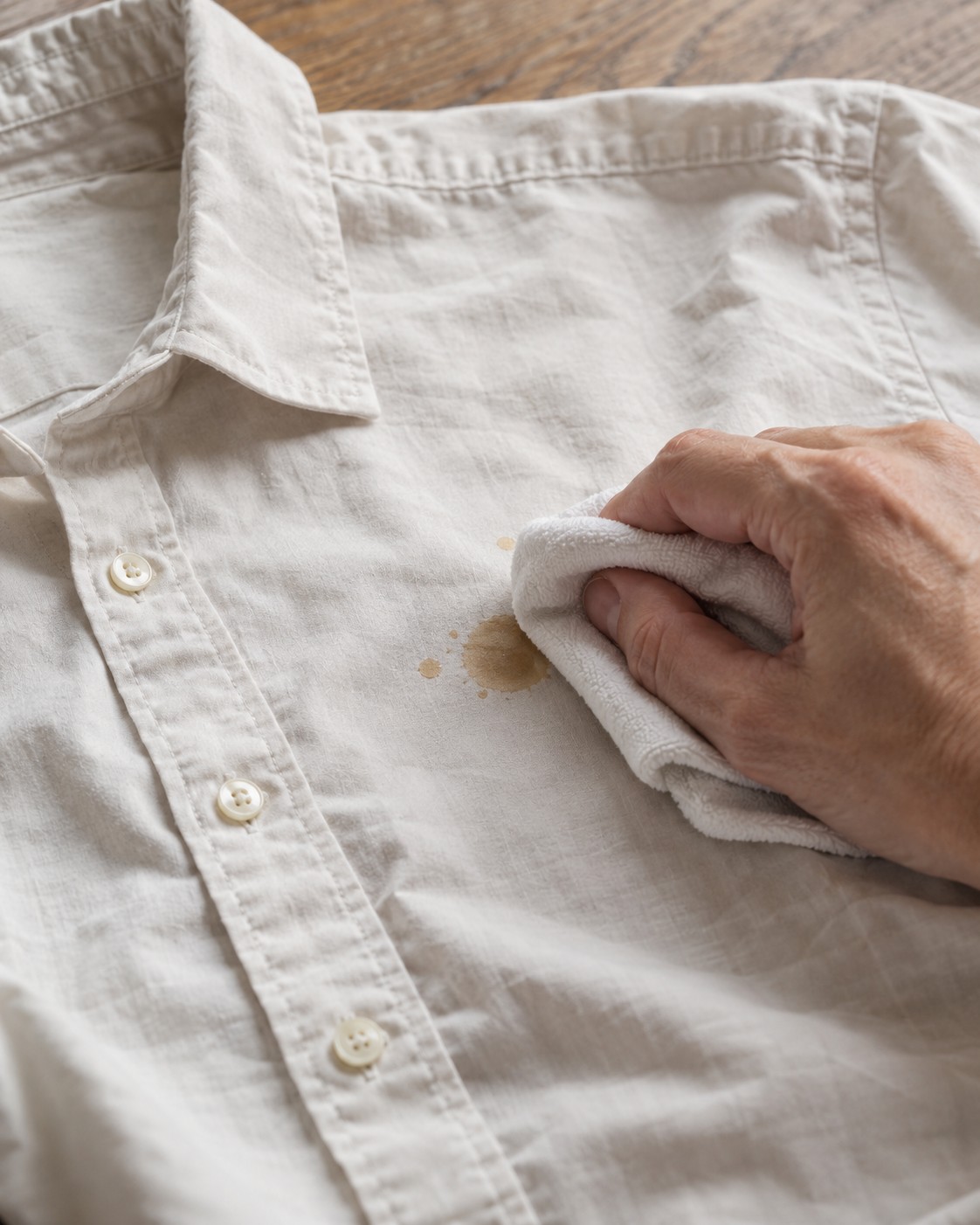
A little moisture can make some cotton shirts easier to press, but use only the method and heat allowed by the label. Do not iron a stain in the hope of making it less visible, and never steam or iron clothing while someone is wearing it.
When the crease keeps returning
If the same fold reappears after each pass, stop and inspect how the shirt is lying. The board cover may be wrinkled, the lower layer of a sleeve may be folded, or the body may be hanging with enough weight to pull the section out of place. Reposition the fabric before increasing heat. More pressure on a badly arranged section can make the problem clearer rather than remove it.
Look at the shirt from a different angle as you work. A shadow beside a seam can resemble a crease, while shiny patches may indicate that the surface has been pressed too aggressively. On a dark or delicate finish, follow the label's advice about ironing inside out or using a suitable pressing cloth. Do not continue over an area that is visibly changing colour or texture.
If the iron spits water or leaves marks, stop using it and follow its maintenance instructions. Test corrected equipment on an appropriate clean scrap before returning to a valued shirt. Keeping the tools in good condition is part of the process; a faster ironing sequence cannot compensate for a dirty soleplate or unstable board.
Let the result settle
Put the shirt on a suitable hanger and allow it to cool and dry fully before packing it tightly into the wardrobe. Fasten a button to help it stay in place without distorting the collar. Switch off and unplug the iron, then leave it to cool safely according to its instructions.
For an everyday casual shirt, you may not need a severe pressed finish at all. Concentrate on the collar, placket and obvious storage creases, then stop when the garment looks appropriate for its intended use. Linen-like texture, soft cotton and deliberately washed fabrics do not need to be flattened into something they are not.