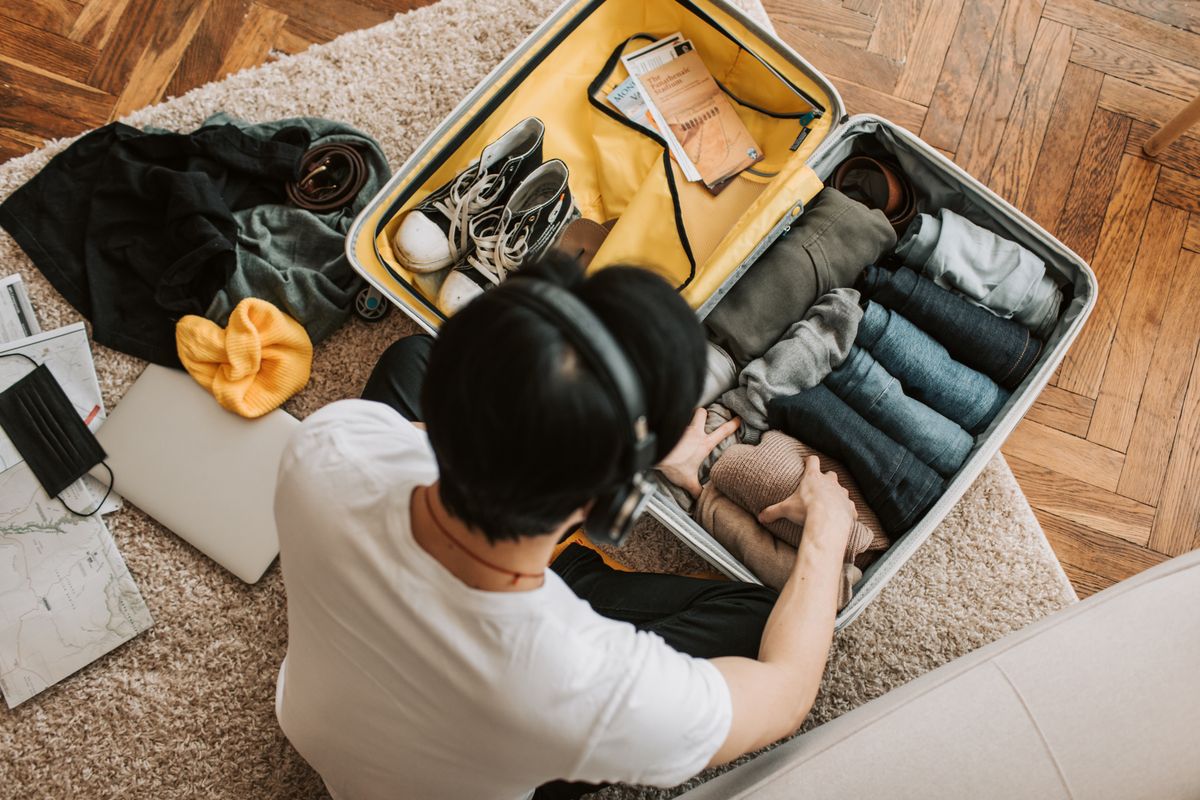
Reducing creases when packing clothes
Reduce pressure and sharp folds, then unpack promptly instead of expecting a packing method to prevent every crease.
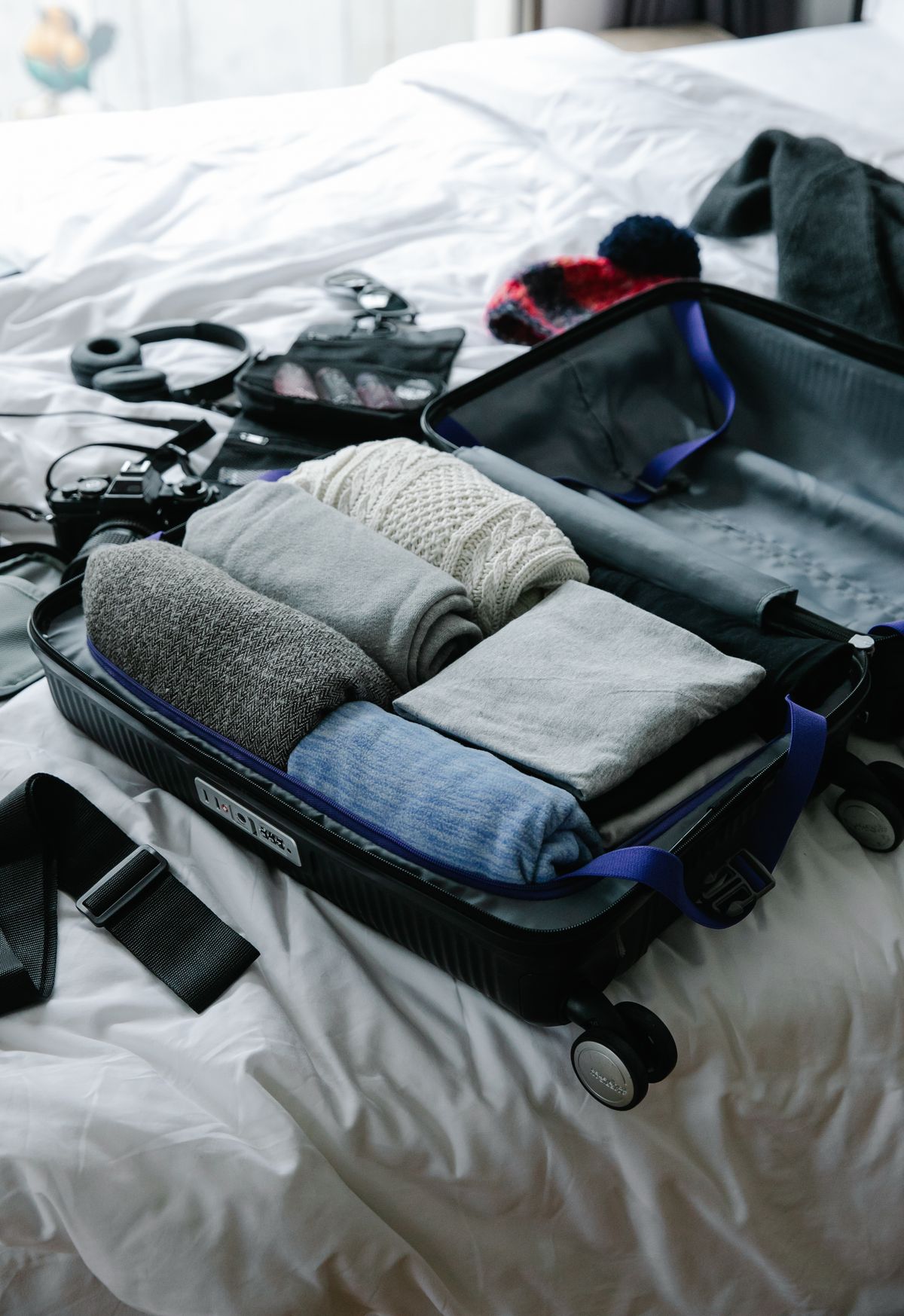
No packing technique keeps every garment perfectly smooth. Fabric, construction, the length of the journey and how tightly the bag is filled all matter. The useful aim is to reduce unnecessary compression and make the clothes easy to restore when you arrive.
Pack clean, completely dry clothes
Allow recently washed or pressed items to cool and dry before folding. Packing a slightly damp shirt tightly into a bag creates a poor starting point. Check collars, cuffs and waistbands, where moisture can remain after the main fabric feels ready.
Lay a shirt flat and smooth it gently before folding. Keep the folds broad enough for the space rather than repeatedly forcing it into a very small rectangle. Protect the collar from heavy objects. A shoe or charger pressed into the same area for several hours can leave a more awkward mark than the fold itself.
For trousers, follow their intended crease if they have one. Casual trousers without a pressed crease do not need a new sharp line imposed simply for packing. Choose folding or rolling according to the cloth and bag; neither method is universally superior.
Arrange the bag around pressure
Place heavier, harder items where they will not crush delicate clothing. Use protective shoe bags and keep soles away from clean fabric. Soft garments can help fill gaps, but avoid compressing everything until the zip is under strain.
Packing cubes are useful for organisation, though overfilling one can still crease its contents. Leave enough room to remove what you need without pulling apart the entire bag. If one shirt is for an important event, give it a more protected position and consider whether a garment carrier is justified.
Check the travel provider's baggage rules directly before choosing luggage. An outfit plan built around a separate garment bag is only useful if that bag is permitted within your allowance.
Unpack before the evening
Hang suitable garments or lay them out when you arrive. Do not leave the shirt you need tomorrow beneath the contents of a weekend bag overnight. If ironing or steaming is allowed, use equipment safely and in line with the garment label; never treat clothing while wearing it.
Test unfamiliar accommodation equipment cautiously and inspect the soleplate of an iron before use. A dirty iron can create a worse problem than a crease. If the garment needs professional care, arrange that rather than improvising with unsuitable heat.
Choose travel clothes with their behaviour in mind. A relaxed linen shirt will crease as part of wear, while a structured jacket needs more careful handling. Pack for the finish you can realistically maintain on the trip, not only the appearance of the outfit before it goes into the bag.